
Designs
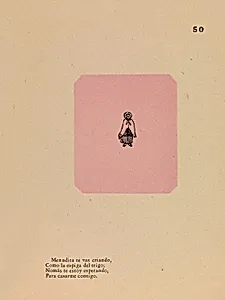
Medium
Graphic Arts-Print
Classification
Graphic Arts-Print
Department
Smithsonian Collection
Museum
Smithsonian American Art Museum
Credit
Smithsonian American Art Museum, Gift of Jack Lord
Accession Number
1971.439.50
Rights
Public Domain
Tags
Art Historical Context
José Guadalupe Posada (1852–1913), a pioneering Mexican printmaker from Aguascalientes, graphic arts with his bold, satirical imagery that captured the spirit of everyday Mexican life during the late 19th and early 20th centuries. *Designs*, a graphic arts print published posthumously in 1947, exemplifies his enduring legacy. Though Posada passed away before the Mexican Revolution fully unfolded, his works—often featuring full-length figures—served as sharp social commentary on politics, death, and popular culture, influencing later artists like Diego Rivera and the muralist movement. Posada's technique relied on affordable relief printing methods, such as zinc engravings and woodcuts, which allowed mass production of broadsheets (corridos ilustrados) sold in markets. This democratic approach made art accessible to the working class, blending folk traditions with biting satire. The 1947 publication reflects a revival of interest in his oeuvre, preserving designs that might depict everyday scenes or calaveras (skeletal figures) synonymous with Mexico's Day of the Dead celebrations. Housed in the Smithsonian American Art Museum through a gift from Jack Lord, *Designs* invites visitors to appreciate Posada's role in shaping Mexican visual identity—a bridge between colonial print traditions and modern nationalism. Its full-length compositions likely highlight his masterful use of line and exaggeration, bringing history's vibrant undercurrents to life.