
Kohl stick
Unknown Artist
ca. 1640–1550 B.C.
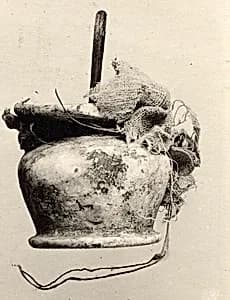
Medium
Wood
Dimensions
L. 6.3 cm (2 1/2 in.)
Classification
Kohl stick
Period
Second Intermediate Period
Department
Egyptian Art
Museum
Metropolitan Museum of Art, New York, NY
Credit
Rogers Fund, 1919
Accession Number
19.3.170
Rights
Public Domain
Tags
Art Historical Context
This delicate wooden kohl stick, dating to around 1640–1550 B.C., hails from Egypt's Second Intermediate Period during Dynasty 17. Crafted from wood and measuring just 6. cm long, it served as a practical cosmetic tool for applying kohl—a black paste made from minerals like galena—to the eyes. In ancient Egyptian society, such utensils were everyday essentials, blending beauty with ritual: kohl not only enhanced appearance but was believed to ward off the evil eye and shield against the harsh desert sun. Dynasty 17 marked a pivotal era of transition in Thebes, the southern capital, as local rulers resisted Hyksos invaders from the north, laying groundwork for the New Kingdom's reunification under powerful pharaohs like Ahmose. Simple wooden implements like this reflect the resourcefulness of the time, where even elite cosmetics were handled with unadorned, functional tools rather than ornate metals reserved for royalty. Today, this unassuming artifact from the Metropolitan Museum of Art's Egyptian collection offers a glimpse into intimate daily life, revealing how personal adornment intertwined with spirituality and survival in a turbulent age. Visitors might imagine a Theban woman carefully lining her eyes, connecting past and present through touchable history.