
Memento Mori
1500-1550
Medium
Decorative Arts
Classification
Decorative Arts
Department
Smithsonian Collection
Museum
Smithsonian American Art Museum
Credit
Smithsonian American Art Museum, Gift of John Gellatly
Accession Number
1929.8.240.22
Rights
Public Domain
Tags
Art Historical Context
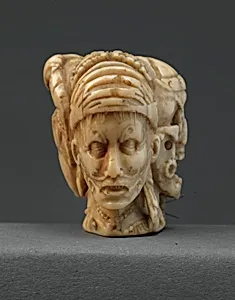
### Memento Mori Nestled in the Smithsonian American Art Museum's Decor Arts collection, *Memento Mori* (. 1500–1550) is a poignant reminder of human mortality from the early Renaissance era. The title, Latin for "remember that you die," directly evokes the skull and head motifs captured in its tags, likely rendered as a carved or sculpted object. Created by an unidentified artist, this piece reflects the period's widespread fascination with vanitas themes, where everyday decorative items served as meditative tools urging viewers to contemplate life's transience amid growing wealth and humanism in Europe. In the 16th century, such works proliferated in Northern Europe, blending artistry with moral philosophy. Decorative arts like this—possibly a small vessel, box, or reliquary—elevated functional objects into profound symbols, using materials like wood, ivory, or bone to mimic the skull's stark realism. Donated by collector John Gellatly, it highlights how Renaissance artisans transformed grim reminders into exquisite craftsmanship, influencing later still-life paintings and jewelry. Today, *Memento Mori* invites museum visitors to pause and reflect: in an age of opulence, it whispers timeless wisdom about impermanence, bridging 500-year-old spirituality with our own fleeting moments.
About the Artist
Unidentified ( ) · –