
New Year Gift: Mirror
A.D. 1913; original ca. 1427–1400 B.C.
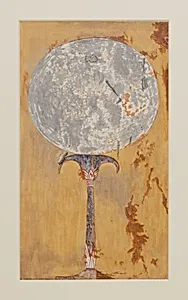
Medium
Tempera on paper
Dimensions
H. 26.5 cm (10 7/16 in); w. 15.5 cm (6 1/8 in), scale 1:1, framed with 30.4.177 and .180
Classification
Facsimile, Qenamun (TT 93), mirror; Drink-and-be-Merry; New-Year-Gift2
Period
Twentieth Century; original New Kingdom
Department
Egyptian Art
Museum
Metropolitan Museum of Art, New York, NY
Credit
Rogers Fund, 1930
Accession Number
30.4.179
Rights
Public Domain
Tags
Art Historical Context
Welcome to the Metropolitan Museum of Art's Egyptian Art collection, where Norman de Garis Davies' *New Year Gift: Mirror (A.D. 1913) brings ancient revelry to life. This tempera-on-paper facsimile, at a 1: scale (26.5 15.5 cm copies a wall painting from Egypt's New Kingdom, Dynasty18 (ca. 1427–1400 B.C.). Davies, a pioneering Egyptologist, created these works to preserve fading tomb decorations, offering modern viewers an intimate glimpse into pharaonic splendor. The scene captures the festive "Drink-and-Be-Merry" ethos of ancient Egyptian New Year celebrations, centered on a gleaming mirror presented as a gift. Mirrors, often made of polished bronze, symbolized vanity, renewal, and divine beauty in a culture that cherished cosmetics and adornment. Amidst lively figures likely toasting and rejoicing, it reflects the era's optimism—under rulers like Amenhotep III—blending daily joys with eternal hopes for the afterlife. Davies' meticulous technique mimics the original frescoes' vivid pigments and fluid lines, highlighting Eighteenth Dynasty artistry's grace and color mastery. Acquired via the Rogers Fund in 1930 and framed with companion pieces, this artwork invites you to toast to 3,500 years of enduring festivity!
About the Artist
Norman de Garis Davies · 1865–1941
Norman de Garis Davies (1865–1941) was a British Egyptologist and archaeological artist whose meticulous copies of ancient Egyptian tomb paintings constitute one of the most important records of pharaonic art ever made. Born in Ashton-under-Lyne, Lancashire, he originally trained for the ministry before being drawn into Egyptology through his involvement with the Egypt Exploration Fund in the 1890...