
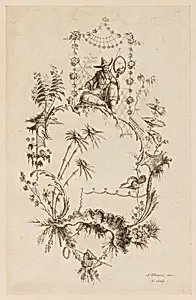
Plate 3, from "A New Book of Chinese Ornaments"
Classification
Department
Smithsonian Collection
Museum
Smithsonian American Art Museum
Credit
Gift of Eleanor and Sarah Hewitt
Accession Number
1920-36-206
Rights
Public Domain
About this artwork
Research in Progress
Art Historical Context
Jean-Baptiste Pillement, a prolific French artist of the Rococo era (1728–1808), crafted *Plate 3* from his *A New Book of Chinese Ornaments* around 1750. This print exemplifies the 18th-century European fascination with chinoiserie—stylized interpretations of Chinese motifs that blended exotic fantasy with delicate elegance. Pillement, who traveled widely across Europe and worked in royal courts, specialized in ornamental designs that inspired textiles, wallpapers, and furniture, making his pattern books essential tools for decorators and artisans. As a print from this series, the plate likely features intricate floral scrolls, pagodas, or figurative elements drawn in Pillement's fluid, asymmetrical Rococo style, evoking an imaginary Orient. Such works fueled the opulent tastes of the Enlightenment aristocracy, bridging Eastern aesthetics with Western whimsy during a time when direct trade with China sparked cultural curiosity. Though the exact medium remains unspecified, prints like this were typically etched or engraved for easy reproduction, democratizing high-style decoration. Housed in the Smithsonian American Art Museum as a gift from Eleanor and Sarah Hewitt, this piece highlights Pillement's enduring influence on decorative arts. Visitors can appreciate how it captures the playful fusion of cultures that defined mid-18th-century design. (198 words)