
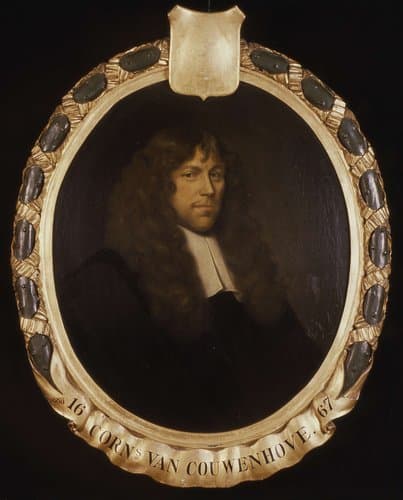
Portrait of Cornelis van Couwenhove, Director of the Rotterdam Chamber of the Dutch East India Company, elected 1667
1695 - 1722
Medium
oil on canvas
Dimensions
82; 68
Rights
Public Domain
About this artwork
olieverf op doek
Art Historical Context
This elegant portrait by Pieter van der Werff Cornelis van Couwenove, a prominent Director of the Rotterdam Chamber of Dutch East India Company (), elected in 166. Painted between 1695 and 1722 in oil on canvas (82 × 68 cm), it exemplifies the Dutch Golden Age's fascination with civic pride and commercial success. The VOC, the world's first multinational corporation, fueled the Netherlands' global trade empire through spices, textiles, and colonial ventures, making figures like van Couwenh symbols of prosperity and power. Displayed at the Rijksmuseum, the work immortalizes his status amid the era's economic zenith. Van der Werff, a masterful portraitist influenced by his brother Adriaen, employed his signature refined technique—smooth, luminous brushwork and subtle modeling—to convey dignity and realism. Oil on canvas allowed for the rich textures of fabrics, skin tones, and possibly symbolic attributes like maps or ledgers, evoking the subject's worldly authority. Though modest in scale, the painting's intimate focus highlights the era's shift toward personalized commemorations of merchants, blending Baroque grandeur with emerging Enlightenment restraint. A testament to Dutch mercantile culture, this portrait invites visitors to reflect on how art preserved the legacies of those who shaped global commerce.
About the Artist
Pieter van der Werff · 1665–1722
Pieter van der Werff was the younger brother and pupil of Adriaan van der Werff. He was senior member of the Rotterdam painters' guild in 1703 and 1715. For a number of years, van der Werff simply made copies of works by Adriaan. Later, he produced original works in the manner of his older brother, including history paintings, portraits and genre scenes, almost always on a small scale. Comment on...