
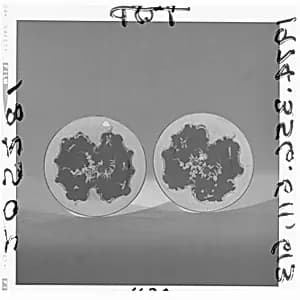
Saucer (part of a service)
Medium
Soft-paste porcelain
Dimensions
Diameter: 5 1/4 in. (13.3 cm)
Classification
Ceramics-Porcelain
Culture
British, Worcester
Department
European Sculpture and Decorative Arts
Museum
Metropolitan Museum of Art, New York, NY
Credit
The Lesley and Emma Sheafer Collection, Bequest of Emma A. Sheafer, 1973
Accession Number
1974.356.613
Rights
Public Domain
Art Historical Context
This delicate saucer, part of a larger porcelain service, hails from the renowned Worcester factory during the Dr. Wall period around 1770. Produced in Britain at the height of the 18th-century porcelain mania, it exemplifies the soft-paste porcelain for which Worcester was celebrated—a refined, bone-ash-infused ceramic that mimicked the translucent quality of prized Chinese hard-paste wares but was more affordable and adaptable for English tastes. Measuring just 5¼ inches in diameter, its modest scale belies its role in elegant tea rituals, a social staple among the British gentry. The Dr. Wall era, named for factory founder and innovator Dr. John Wall, marked Worcester's golden age of technical prowess and artistic output. Innovations like underglaze transfer printing and vibrant overglaze enamels made these pieces both functional and decorative, bridging utility and luxury. As part of a service, this saucer would have complemented cups, plates, and bowls, often adorned with pastoral scenes or exotic motifs reflecting Enlightenment-era fascination with global trade and nature. Now housed in The Metropolitan Museum of Art's European Sculpture and Decorative Arts collection, thanks to the Lesley and Emma Sheafer bequest, it offers a tangible glimpse into Georgian domestic refinement. Visitors can appreciate how such everyday objects embodied Britain's industrial ambition and cultural sophistication.
About the Artist
Dr. Wall Period|Worcester factory (British| ) · 1751 | –2008 |
British, 1751–2008|