
Spetsmönstret (Lace pattern)
Classification
ceramics
Department
Smithsonian Collection
Museum
Smithsonian American Art Museum
Credit
Gift of Paul F. Walter
Accession Number
1993-64-2
Rights
Public Domain
About this artwork
Research in Progress
Art Historical Context
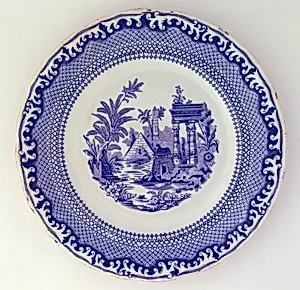
**Spetsmönstret (Lace Pattern)** ca. 1885* Rörstrand Porcelain Factory (Sweden, founded 1726) Ceramics Gift of Paul F., Smithsonian American Art Museum Created around 1885 by Sweden's venerable Rörstrand Porcelain—established in 1726 as one of Europe's pioneering porcelain producers—this delicate ceramic piece showcases the title's "Lace Pattern" (Spetsmönstret). Rörstrand rose to prominence in the 18th century, the art of fine porcelain that blended technical innovation with elegant designs, often drawing from nature, textiles, and everyday motifs. By the late 19th century, the factory was exporting its wares internationally, reflecting Sweden's growing influence in decorative arts during the Industrial Age. The lace-inspired pattern evokes the intricate beauty of handmade textiles, a clever nod to Victorian-era aesthetics where ceramics mimicked finer materials like lace to adorn bourgeois homes. Though the exact medium remains under study, its classification as ceramics highlights Rörstrand's expertise in durable yet refined tableware and ornaments. This piece, now in the Smithsonian American Art Museum's collection, bridges European craftsmanship with American tastes, gifted by Paul F. Walter amid ongoing research that promises deeper insights. Visitors will appreciate how Spetsmönstret captures a moment when porcelain became accessible luxury, inviting us to trace the delicate threads of cultural exchange across the Atlantic.