
Ten Pripih (Funerary objects) Depicting Various Animals
Unknown Artist
11th–13th century
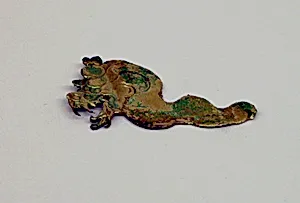
Medium
Gold
Dimensions
H. 1 1/2 in. (3.8 cm); W. 2 1/4 in. (5.7 cm)
Classification
Jewelry
Culture & Period
Indonesia (Java) · Song (960–1279) or Yuan (1271–1368) dynasty (?)
Department
Asian Art
Museum
Metropolitan Museum of Art, New York, NY
Credit
The Samuel Eilenberg-Jonathan P. Rosen Collection of Indonesian Gold, Bequest of Samuel Eilenberg and Gift of Jonathan P. Rosen, 1998
Accession Number
1998.544.41a–j
Rights
Public Domain
Tags
Art Historical Context
Nestled in the Metropolitan Museum of Art's Asian Art collection, *Ten Pripih (Funerary Objects) Depicting Various Animals hails from Java, Indonesia, dating to the 11th–13th century. These gold jewels, measuring just 1 1/2 inches high 2 1/4 inches wide, represent a rare glimpse into ancient Javanese elite burial practices. Crafted during a vibrant era of Hindu-Buddhist kingdoms the Mataram or Singhasari dynasties they were likely used in cremation rituals, adorning the deceased or accompanying urns to ensure spiritual protection in the afterlife. The pure gold medium underscores their luxury status—gold's incorruptible shine symbolized eternity and divine favor in Southeast Asian cultures. Each pripih, a thin foil-like ornament, features finely hammered motifs of birds and other animals, possibly evoking mythical guardians or the soul's journey. This intricate repoussé technique highlights the anonymous artisan's skill, transforming humble sheets into symbolic treasures. Generously bequeathed through The Samuel Eilenberg-Jonathan P. Rosen Collection of Indonesian Gold in 1998, these objects connect us to Java's sophisticated goldworking tradition, blending artistry with profound spiritual beliefs. A testament to forgotten rituals, they invite visitors to ponder the universal quest for immortality.