
Textile
1870–1879
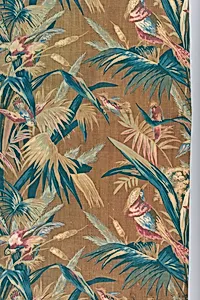
Medium
printed, dyed & painted textiles
Classification
printed, dyed & painted textiles
Department
Smithsonian Collection
Museum
Smithsonian American Art Museum
Credit
Smithsonian American Art Museum
Accession Number
1983-85-9
Rights
Public Domain
About this artwork
Research in Progress
Art Historical Context
This vibrant *Textile* from the 1870s, housed in the Smithsonian American Art's Smithsonian Collection, exemplifies the artistry of late 19th-century American fabric production. Created during the post-Civil War era—a time of rapid industrialization and expanding textile mills in the United States—this piece reflects the era's blend of handmade craftsmanship and emerging mechanical processes. With its unknown artist, the work is currently under active research, inviting visitors to ponder the anonymous makers who contributed to America's burgeoning decorative arts scene. The medium—printed, dyed, and painted textiles—highlights sophisticated techniques that were both labor-intensive and innovative for the period. Printing involved transferring bold patterns via woodblocks or early cylinders, while dyeing with natural or synthetic colors (like aniline dyes introduced in the 1860s) created rich hues resistant to fading. Hand-painting added personalized flourishes, often for home furnishings, quilts, or garments. These methods not only served practical purposes but also elevated textiles as accessible art forms, democratizing beauty in everyday American life. As a classified example of printed, dyed, and painted textiles, this artifact underscores the cultural role of fabric in Gilded Age households, where such pieces adorned parlors and told stories of prosperity and creativity. Ongoing research promises to reveal more about its origins, making it a captivating study in the evolution of American design. (198 words)
About the Artist
Unknown
The artist designated as "Unknown" in our virtual museum's collection exemplifies a poignant chapter in art history: creators whose identities have faded into obscurity despite the enduring power of their work. With only one known artwork attributed to them in our holdings, this figure represents countless anonymous hands that shaped visual culture across centuries. Museums worldwide, including th...