
15/43
1645 - 1700
Medium
etching
Dimensions
131; 179
Rights
Public Domain
About this artwork
ets en gravure
Art Historical Context
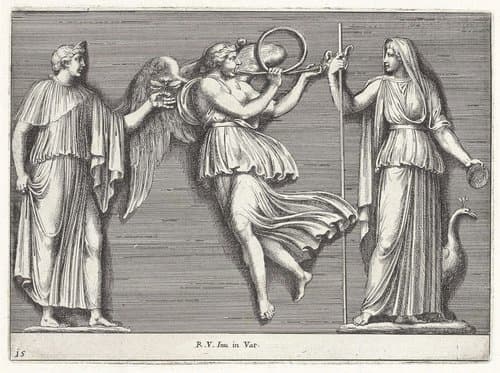
Pietro Sante Bartoli’s etching *15/43* exemplifies the refined printmaking tradition of seventeenth-century Rome. Created between 164 and 1700, this modest sheet—measuring just 131 by 179 millimeters—combines etching and engraving techniques to achieve crisp lines and subtle tonal effects. Such prints were prized for their ability to reproduce the textures of ancient stone reliefs and frescoes with remarkable fidelity. Bartoli was a leading reproductive printmaker who helped preserve and circulate knowledge of classical antiquity. His works often formed part of larger series documenting Roman monuments and sculptures for scholars and collectors across Europe. The numbering “15/43” suggests this sheet belongs to one such publication, functioning both as an artistic record and a portable reference for students of ancient art. Today the print offers modern viewers an intimate glimpse into Baroque-era fascination with Rome’s past. Its small scale encourages close looking, revealing the meticulous craftsmanship that made Bartoli’s etchings essential tools for understanding classical heritage.
About the Artist
Pietro Sante Bartoli · 1615–1700
Pietro Santi Bartoli, born in Perugia in 1635, emerged as a pivotal figure in the Roman antiquarian revival of the late seventeenth century. Relocating to Rome as a youth, he initially pursued painting, studying under the French artist Jean Lemaire—known as "Le Petit Lemaire"—and later under the esteemed Nicolas Poussin, whose classical rigor profoundly shaped his early approach. Though traces of ...