
Arts of Asia — Page 110
9,604 artworks · Art Institute of Chicago
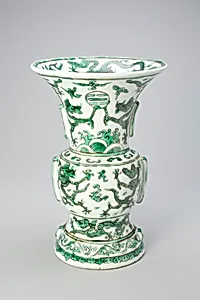
Vase in the Form of a Bronze Wine Vessel, with Dragons, Waves, and Trigrams
Unknown, Ming dynasty (1368–1644), Wanli reign mark and period (1573–1620)
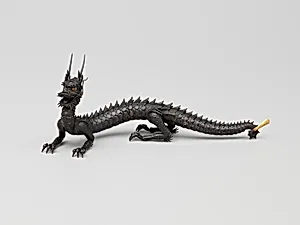
Articulated Dragon
School of Myochin, c. 1880
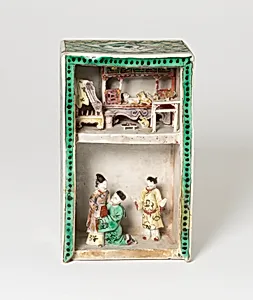
Box with Opera Scene
Unknown, Qing dynasty (1644–1911), Kangxi period (1662–1722)
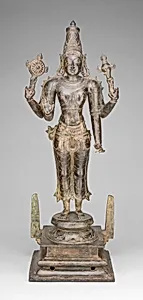
Four-Armed God Vishnu Holding Discus and Conch
Unknown, Vijayanagar period, 15th century
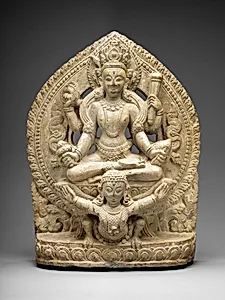
God Vishnu Riding His Mount, Garuda
Unknown, 16th/17th century
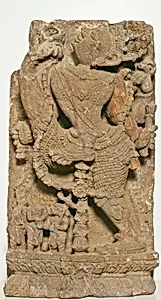
God Vishnu Measures the Universe in Three Strides (Trivikrama)
Unknown, About 12th century
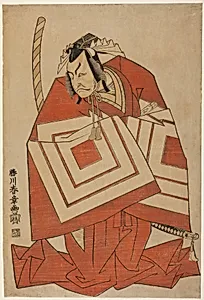
The Actor Ichikawa Danjuro IV in a "Shibaraku" Role, Possibly from the Play Ima o Sakari Suehiro Genji (The Genji Clan Now at Its Zenith), Performed at the Nakamura Theater from the First Day of the Eleventh Month, 1768
Katsukawa Shunsho, c. 1768
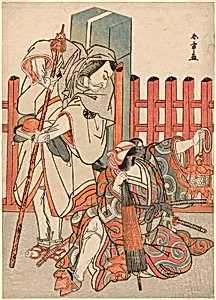
The Actors Nakamura Nakazo I as Chinzei Hachiro Tametomo Disguised as a Pilgrim (left), and Ichikawa Danjuro V as Kazusa no Gorobei Tadamitsu (right), in the "Silent Encounter" Scene (Dammari) from the End of Part One of the Play Kitekaeru Nishiki no Wakayaka (Returning Home in Splendor), Performed at the Nakamura Theater from the First Day of the Eleventh Month, 1780
Katsukawa Shunsho, c. 1780
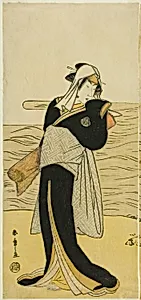
The Actor Nakamura Riko I as Hanako, the Daughter of Koshiba Kamon, Disguised as a Yotaka (Low-class Prostitute), in the Play Kotobuki Banzei Soga, Performed at the Ichimura Theater in the Fifth Month, 1783
Katsukawa Shunsho, c. 1783
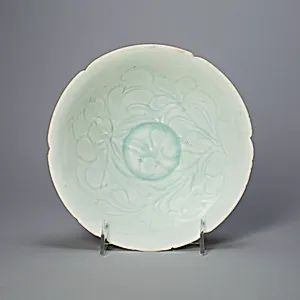
Foliate Bowl with Stylized Peony Spray
Unknown, Northern Song dynasty (960–1127), 12th century
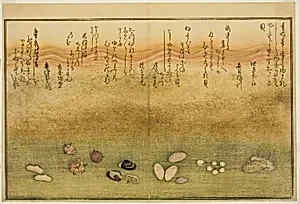
Sudare-gai, hana-gai, sakura-gai, mumeno-gai, nadeshiko-gai, and kinuta-gai, from the illustrated book "Gifts from the Ebb Tide (Shiohi no tsuto)"
Kitagawa Utamaro, 1789
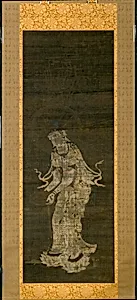
The Bodhisattva Kannon, from the triptych Approach of the Amida Trinity
Unknown, Kamakura Period; mid–13th century
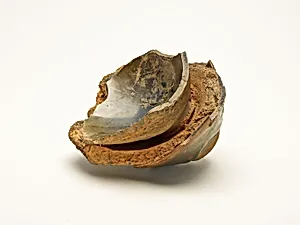
Fragments of Tea Bowls, fused to their saggar
Unknown, Song dynasty (960–1279), 12th/13th century
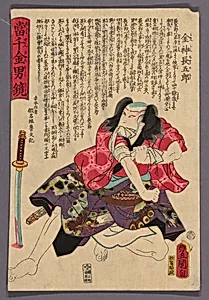
The Actor Kataoka Nizaemon VIII as Konjin Chogoro, from the series "Atari senkin otoko kagami"
Utagawa Kunisada I (Toyokuni III), 1859
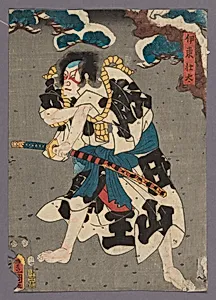
The Actor Ichikawa Danjuro VIII as Ito Sota
Utagawa Kunisada I (Toyokuni III), 1853
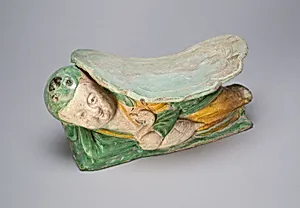
Pillow with Boy Supporting a Cloud-Shaped Headdrest
Unknown, Jin dynasty (1115–1234)
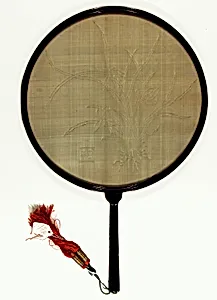
Narcissus
Unknown, Qing dynasty (1644–1911), late 19th century
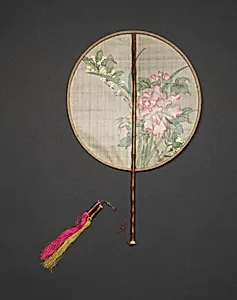
Flowers and Leaves
Unknown, Qing dynasty (1644–1911), 19th century
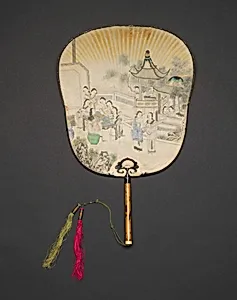
Women at Leisure
Unknown, Qing dynasty (1644–1911), 19th century
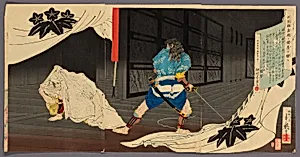
Tokimune (Soga Goro) Sneaking into Yoritomo's Residence (Tokimune Kamakura-dono no kariya o sawagasu)
Migita Toshihide, 1891
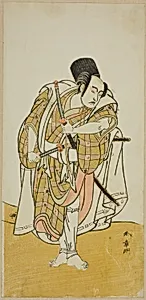
The Actor Ichikawa Yaozo II (?)
Katsukawa Shunsho, late 18th century
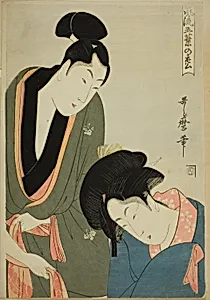
Lovers Parting in the Morning, from the series "Elegant Five-needled Pine (Furyu goyo no matsu)"
Kitagawa Utamaro, c. 1797/98
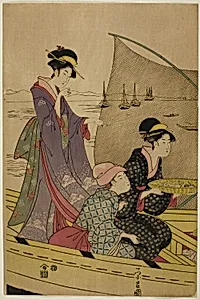
Women on a Fishing Boat
Chokosai Eisho, c. 1780/1800

The Waitress Osen of the Kagiya teahouse Carrying a Cup of Tea
Suzuki Harunobu, c. 1769/70
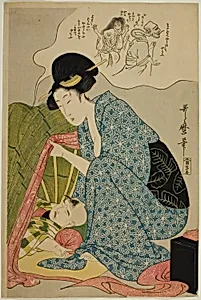
Child's nightmare of ghosts
Kitagawa Utamaro, c. 1800/01
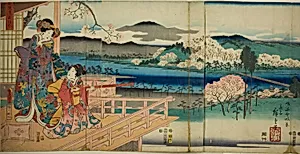
View of Sagano (Sagano fukei), from the series "A Modern Genji Picture Contest (Furyu Genji e-awase)"
Utagawa Kunisada I (Toyokuni III), 1853
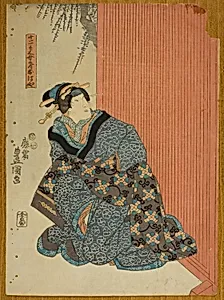
Actor Bando Shuka I as Jujibei's Wife Ohaya (Jujibei nyobo Ohaya)
Utagawa Kunisada I (Toyokuni III), c. 1848
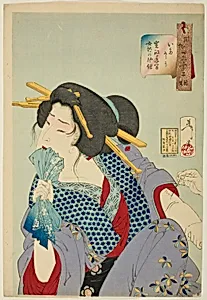
Painful (Itaso), from the series "Thirty-two Aspects of Women (Fuzoku sanjuniso)"
Tsukioka Yoshitoshi, 1888
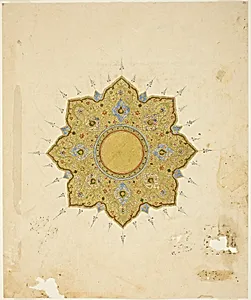
Shamsa Medallion
Islamic, 16th/17th century
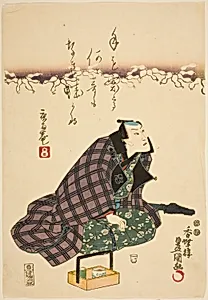
The actor Ichikawa Danjuro VIII
Utagawa Kunisada I (Toyokuni III), 1849
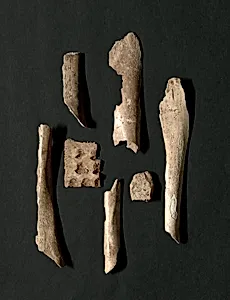
Oracle Bones (76 total)
Unknown, Shang dynasty (about 1600–1046 BC)
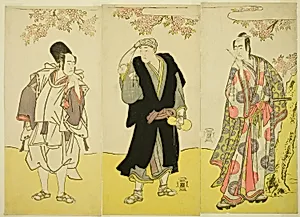
The Actors Sawamura Sojuro III as Kusunoki Tatewaki Masatsura (right), Onoe Matsusuke I as the Monk Sahei Bozu (center) and Ichikawa Yaozo III as the Prince's Servant Kusunoki Uraminosuke (left), in the Play Kumoi no Hana Yoshino no Wakamusha, Performed at the Nakamura Theater in the Eleventh Month, 1786
Katsukawa Shunsho, c. 1786
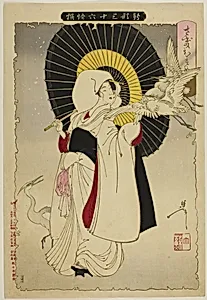
Heron Maiden from the series "New Forms of Thirty-Six Ghosts"
Tsukioka Yoshitoshi, 1889
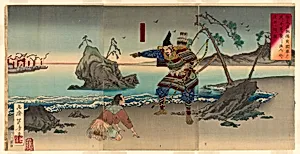
Sasaki Moritsuna Asking Fisherman to Reveal the Shallows Where His Troops can Cross and Attack the Taira Forces at Fujito in Bizen Province (Sasaki Moritsuna Bizen no kuni Fujito no watari ni Heigun o osowanto gyojin ni mizu no senshin o tou zu)
Mizuno Toshikata, 1884
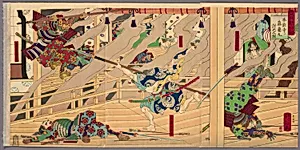
Mori Ranmaru Killed in Battle at Honnoji (Honnoji ni Mori Ranmaru uchijini no zu), from the series "The Record of Toyotomi's Achievements (Toyotomi kunkoki)"
Utagawa Yoshifuji, 1886
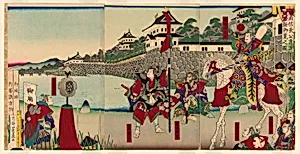
Lord Oda Nobunaga Viewing the Restoration of Kiyosu Castle (Oda Nobunaga ko Kiyosujo shuzen goran no zu)
Utagawa Yoshifuji, 1888 (printed posthumously)
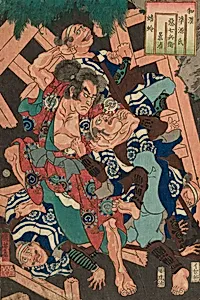
Kagero: Akushichibei Kagekiyo, from the series "Japanese and Chinese Comparisons for the Chapters of Genji (Wakan nazorae Genji)"
Utagawa Kuniyoshi, 1855
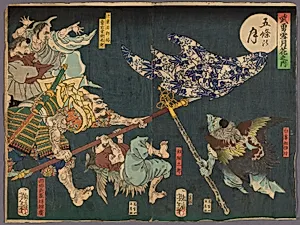
The Moon over Gojo Bridge (Gojo no tsuki), from the series "Heroes for the Snow, Moon, and Flowers (Buyu setsugekka)"
Tsukioka Yoshitoshi, 1867
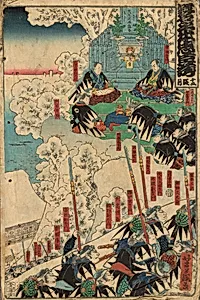
Act 12 (Junidanme), from the series "The Storehouse of Loyal Retainers (Kanadehon Chushingura)"
Utagawa Yoshifuji, 1862
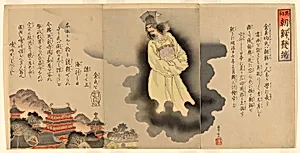
The Beginning of the Korean Incident (Sono hajime Chosen hottan)
Adachi Ginko, 1894
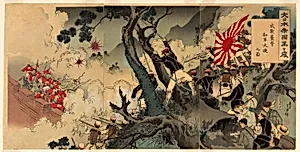
Long Live the Great Japanese Empire! A Great Victory for Our Troops in the Assault on Songhwan (Dai Nihon teikoku banbanzai, Seikan shugeki waga gun taisho no zu)
Mizuno Toshikata, 1894
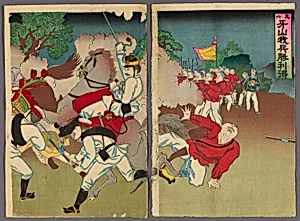
No. 6: Our Troops Gain Victory at Asan (Sono roku, Gazan waga hei shori o eru)
Unknown, 1894
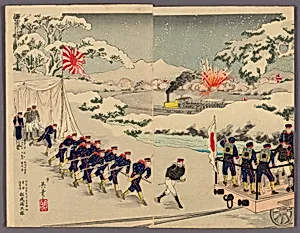
Sino-Japanese War
Kobayashi Ikuhide, 1895
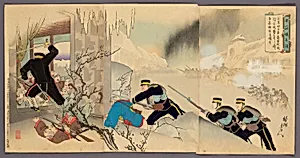
Capturing the Fortress at Niuzhuang (Gyusojo senryo)
Hashimoto (Yoshu) Chikanobu, 1895
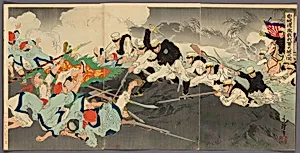
Great Victory of Our Troops at the Fierce Battle of the Ansong Ford (Anjo no watashi waga gun taisho no zu)
Migita Toshihide, 1894/95
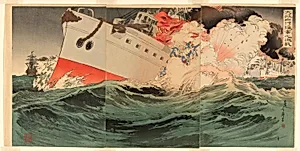
Fierce Naval Battle Off Takushan (Daikosan oki kaigun no gekisen)
Migita Toshihide, 1894
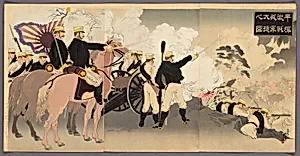
Great Victory of Our Forces at the Battle of Pyongyang (Heijo gekisen waga gun taisho no zu)
Yosai Nobukazu, 1894
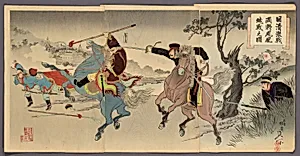
Sino-Japanese War: Two Generals at the Battle of Fenghuangcheng (Nisshin gekisen ryosho Hoojo sen no zu)
Yosai Nobukazu, 1894