
Arts of Asia — Page 143
9,604 artworks · Art Institute of Chicago
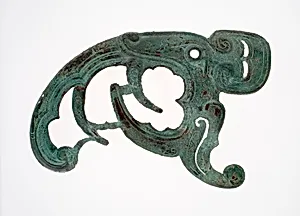
Pair of Plaques with Profile Animal Heads
Unknown, Western Zhou dynasty ( 1046–771 BC ), 10th/8th century B.C.
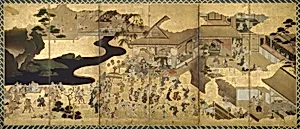
Genre Scenes (Fūzoku byōbu)
Unknown, About 1640
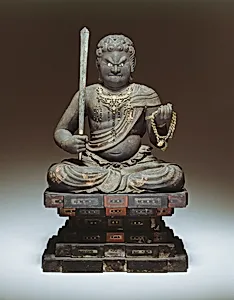
Fudo Myo-o
Unknown, 13th century
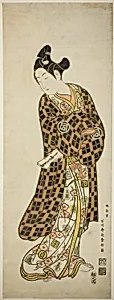
The Actor Sanogawa Ichimatsu I as Hisamatsu
Ishikawa Toyonobu, c. 1748
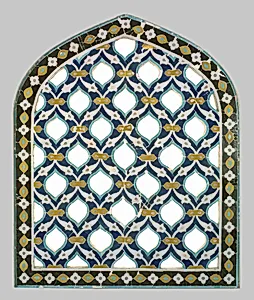
Tile Window Grille
Islamic, Timurid dynasty (1370-1507), 15th century
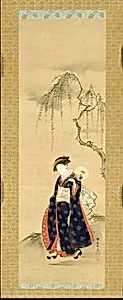
Beauty Beneath a Willow Tree
Isoda Koryusai, Edo period, c. 1780
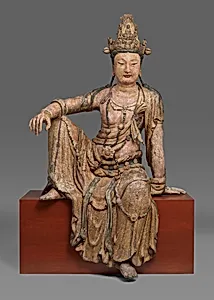
Seated Guanyin
Unknown, Song dynasty (960–1279)
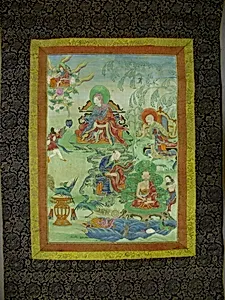
Painted Banner (Thangka) from a Set of Seven Portraying the Sixteen Arhats (Elders), Early Disciples of the Historical Buddha Shakyamuni
Unknown, 19th century
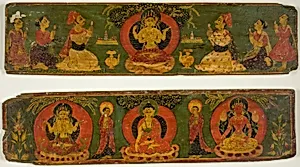
One of a Pair of Manuscript Covers from the Perfection of Wisdom Sutra (Ashtasahasrika Prajnaparamita Sutra)
Unknown, c. 17th century
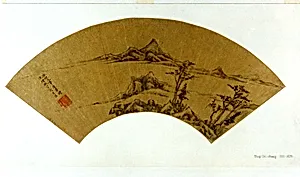
Landscape in the Style of Ni Zan
Dong Qichang, Ming dynasty (1368-1644) or Qing dynasty (1644-1911)
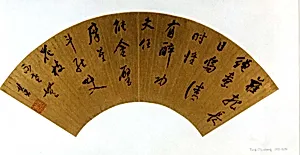
Calligraphy
Dong Qichang, 1555–1636
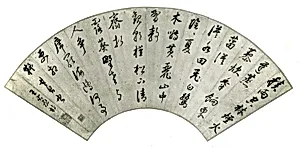
Calligraphy
Dong Qichang, Ming Dynasty(1368–1664);1555–1636
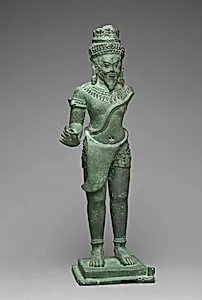
God Shiva
Khmer, Angkor period, 13th century
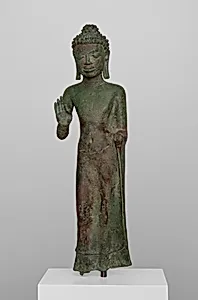
Standing Buddha with Hand in Gesture of Teaching (<em>Vitarkamudra</em>)
Pre-Angkorean, Mon period, 8th century
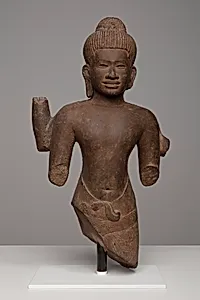
Bodhisattva Avalokiteshvara
Khmer, Angkor period, 11th century
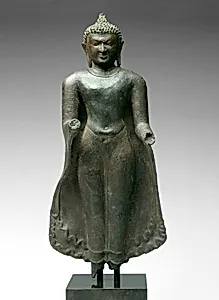
Standing Buddha
Unknown, Pagan period, about 12th century
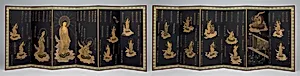
Rebirth of the Nun Anyo
Unknown, early 18th century
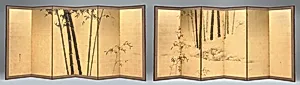
Bamboo
Kishi Ganku, early 19th century
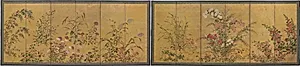
Flowers of All Seasons
Unknown, mid–17th century
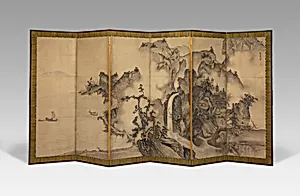
Landscape of the Four Seasons
Sesson Shukei, c. 1560
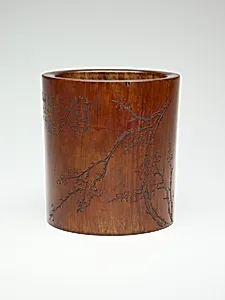
Brush Holder
Ming Guozhen, Qing dynasty (1644–1911), early 19th century
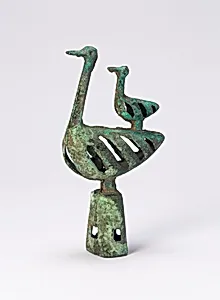
Pole Top with Double Bird-Shaped Bell (one of pair)
Unknown, 6th/4th century B.C.
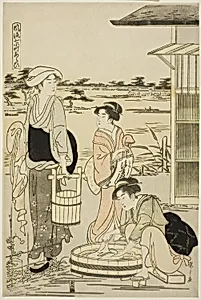
Ono no Komachi Washing the Copybook, from the series The Fashionable Seven Komachi (Furyu nana Komachi)
Chôbunsai Eishi, Edo period (1615–1868), about 1788
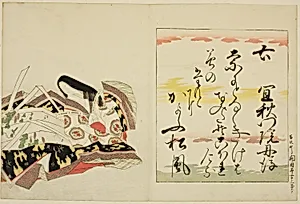
The Poetess Gishumon-in no Tango, from the series The Thirty-six Immortal Women Poets (Nishikizuri onna sanjurokkasen)
Chôbunsai Eishi, Edo period (1615–1868), 1801
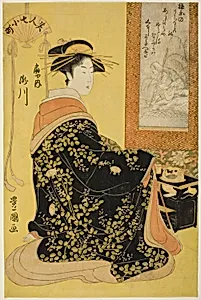
The Courtesan Takikawa of Ogiya, from the series Seven Beautiful Komachi (Bijin nana Komachi)
Utagawa Toyokuni I, Edo period (1615–1868), about 1794
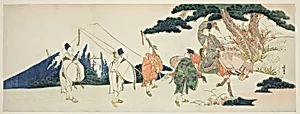
The Eastern Journey of the Celebrated Poet Ariwara no Narihira
Katsushika Hokusai, c. 1806
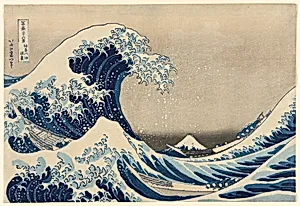
Under the Wave off Kanagawa (Kanagawa oki nami ura), also known as The Great Wave, from the series "Thirty-Six Views of Mount Fuji (Fugaku sanjūrokkei)"
Katsushika Hokusai, 1830/33
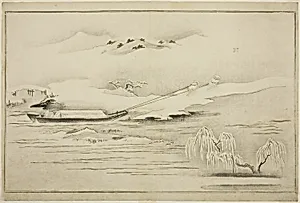
Towing a Barge in the Snow, from the album The Silver World
Kitagawa Utamaro, 1790
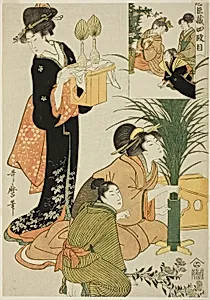
Act IV, from Treasury of the Loyal Retainers
Kitagawa Utamaro, c. 1801/02
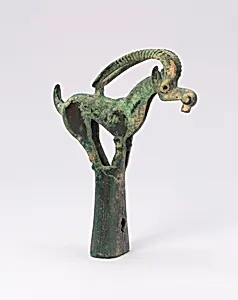
Pole Cap with Antelope
Unknown, 6th/4th century B.C.
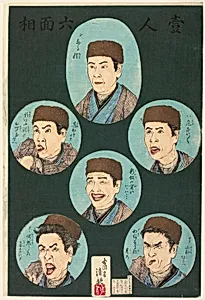
One Person, Six Expressions (Hitori rokumenso)
Kobayashi Kiyochika, 1884
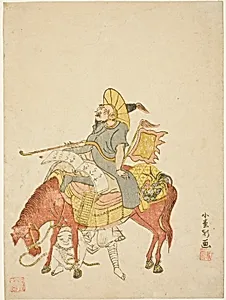
The “Chinese” Quartermaster
Komatsuya Hyakki, 1765
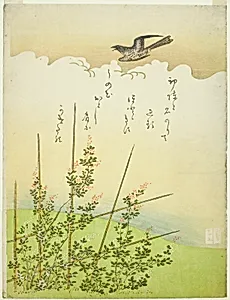
Cuckoo flying over deutzia flowers
Komatsuya Hyakki, c. 1766
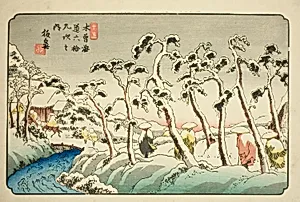
No. 15: Itahana (Jugo: Itahana), from the series "Sixty-nine Stations of the Kisokaido (Kisokaido rokujukyu tsugi no uchi)"
Keisai Eisen, c. 1835/36
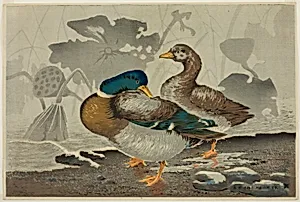
A pair of ducks by a lotus pond
Kobayashi Kiyochika, 1879
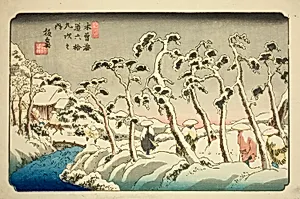
No. 15: Itahana (Jugo: Itahana), from the series "Sixty-nine Stations of the Kisokaido (Kisokaido rokujukyu tsugi no uchi)"
Keisai Eisen, c. 1835/36
![No. 31: View of Lake Suwa from Shiojiri Pass (Sanjuichi: Shiojiri toge Suwa no kosui chobo), from the series "[Sixty-nine Stations of the] Kisokaido" by Keisai Eisen](https://images.artheonmuseum.org/aic/thumb/no-31-view-of-lake-suwa-from-shiojiri-pass-aic-36494.webp)
No. 31: View of Lake Suwa from Shiojiri Pass (Sanjuichi: Shiojiri toge Suwa no kosui chobo), from the series "[Sixty-nine Stations of the] Kisokaido"
Keisai Eisen, c. 1835/36
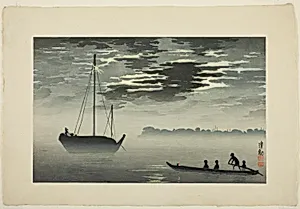
Moonlight through the Clouds off the Haneda Coast
Kobayashi Kiyochika, 1929 (original design by Kiyochika; published posthumously)
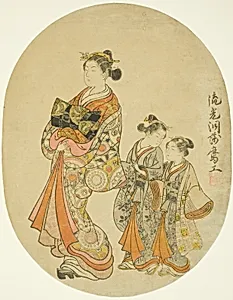
Courtesan and Two Kamuro
Komatsuya Hyakki, 1766
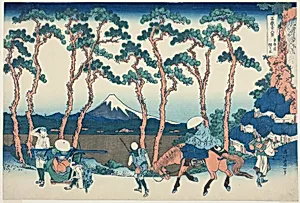
Hodogaya on the Tokaido (Tokaido Hodogaya), from the series "Thirty-six Views of Mount Fuji (Fugaku sanjurokkei)"
Katsushika Hokusai, c. 1830/33
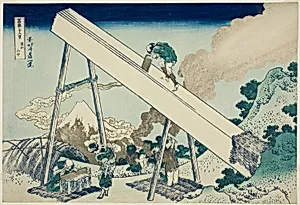
In the Mountains of Totomi Province (Totomi sanchu), from the series "Thirty-six Views of Mount Fuji (Fugaku sanjurokkei)"
Katsushika Hokusai, c. 1830/33
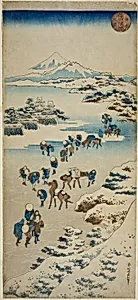
Crossing the Frozen Suwa Lake in Shinano Province (Shinshu Suwa kosui kori watari)
Katsushika Hokusai, c. 1833/34
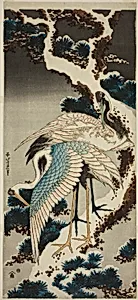
Cranes on snow-covered pine
Katsushika Hokusai, c. 1834
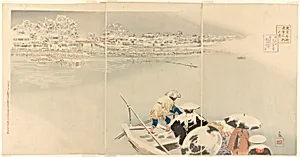
Second Month: Matsuchi Hill in Snow at Dusk (Kisaragi, Matsuchiyama yuki no tasogare), from the series "True Views of Famous Places in Tokyo (Tokyo meisho shinkei no uchi)"
Kobayashi Kiyochika, 1896
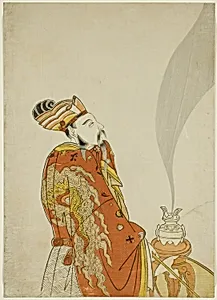
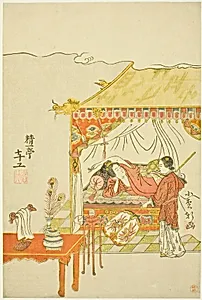
Incense That Revives the Image of the Dead - Emperor Wu of the Han Dynasty
Komatsuya Hyakki, 1765
Yang Guifei
Komatsuya Hyakki, 1765
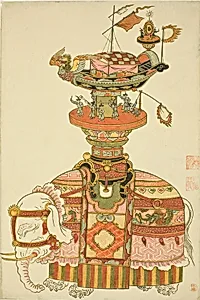
Mechanical Elephant with Festival Barge and Korean Musicians
Komatsuya Hyakki, c. 1765
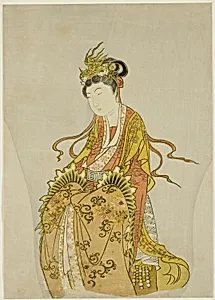
Incense That Revives the Image of the Dead - Lady Li
Komatsuya Hyakki, 1765