
Arts of Asia — Page 148
9,604 artworks · Art Institute of Chicago
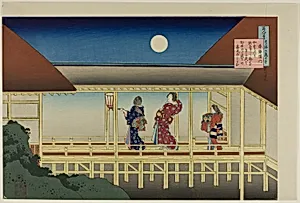
Poem by Lady Akazome Emon Poem by Sosei Hoshi, from the series “One Hundred Poems Explained by a Wet Nurse (Hyakunin isshu uba ga etoki)”
Katsushika Hokusai, 1921
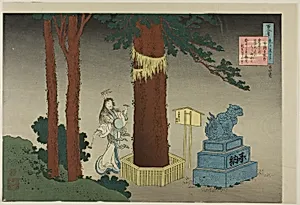
Poem by Chunagon Atsutada, from the series “One Hundred Poems Explained by a Wet Nurse (Hyakunin isshu uba ga etoki)”
Katsushika Hokusai, 1921
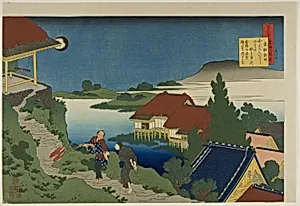
Poem by Sosei Hoshi, from the series “One Hundred Poems Explained by a Wet Nurse (Hyakunin isshu uba ga etoki)”
Katsushika Hokusai, 1921
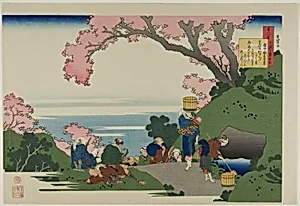
Poem by Gon-Chunagon Masafusa (Oe no Masafusa), from the series “One Hundred Poems by One Hundred Poets Explained by a Wet Nurse (Hyakunin isshu uba ga etoki)”
Katsushika Hokusai, 1921
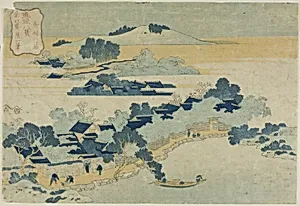
Bamboo Grove at Kume Village (Kumemura no chikuri), from the series “Eight Views of Ryukyu Islands (Ryukyu hakkei)”
Katsushika Hokusai, 1832
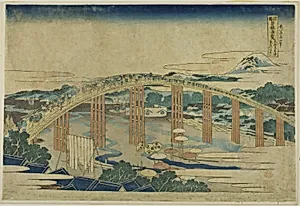
Yahagi Bridge at Okazaki on the Tokaido (Tokaido Okazaki Yahagi no hashi), from the series “Unusual Views of Famous Bridges in Various Provinces (Shokoku meikyo kiran)”
Katsushika Hokusai, c. 1833/34
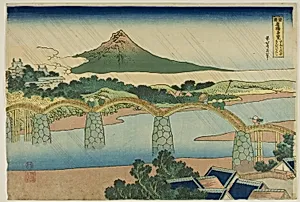
Kintai Bridge in Suo Province (Suo no kuni Kintaibashi), from the series "Unusual Views of Famous Bridges in Various Provinces (Shokoku meikyo kiran)"
Katsushika Hokusai, c. 1833/34
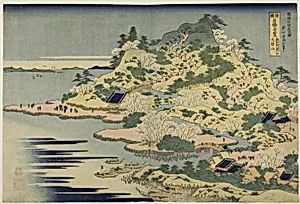
Mount Tenpo at the Mouth of the Aji River in Settsu Province (Sesshu Ajikawaguchi Tenpozan), from the series "Unusual Views of Famous Bridges in Various Provinces (Shokoku meikyo kiran)"
Katsushika Hokusai, c. 1833/34
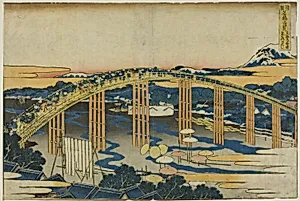
Yahagi Bridge at Okazaki on the Tokaido (Tokaido Okazaki Yahagi no hashi), from the series “Unusual Views of Famous Bridges in Various Provinces (Shokoku meikyo kiran)”
Katsushika Hokusai, c. 1833/34
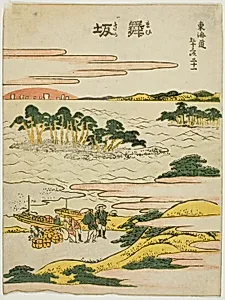
Maisaka, from the series "Fifty-three Stations of the Tokaido (Tokaido gojusan tsugi)"
Katsushika Hokusai, c. 1806
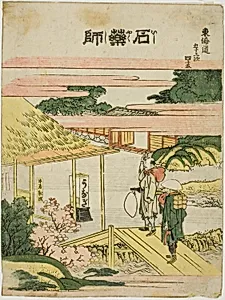
Ishiyakushi, from the series "Fifty-three Stations of the Tokaido (Tokaido gojusan tsugi)"
Katsushika Hokusai, c. 1806
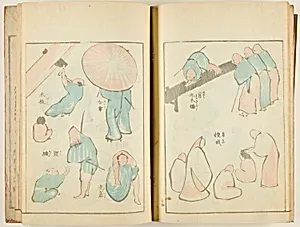
Ippitsu gafu (Album of Drawings with One Stroke), complete in 1 vol.
Katsushika Hokusai, 1823
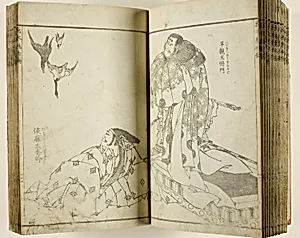
Ehon sakigake (Picture book of Japanese and Chinese fighters), complete in 1 vol.
Katsushika Hokusai, 1836
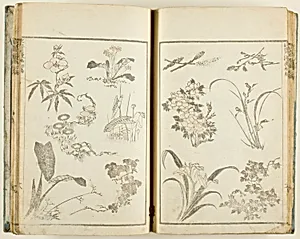
Hokusai manga (Sketches of Hokusai), v. 1-3, 5-11, and 14 of 15
Katsushika Hokusai, 1812/78
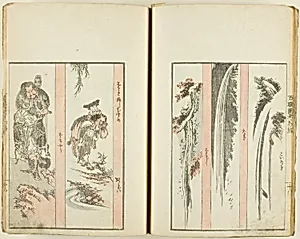
Banshoku zuko, one vol. of 5 published
Katsushika Hokusai, n.d.
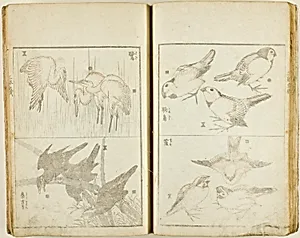
Santai gafu (Album of Drawings in Three Ways), complete in 1 vol.
Katsushika Hokusai, c. 1816
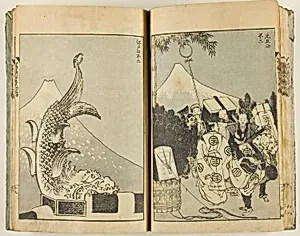
Fugaku hyakkei (100 Views of Mt. Fuji)
Katsushika Hokusai, v. 1–3 of 3 published, 1834–5 (v. 1–2), c. 1849 (v. 3)
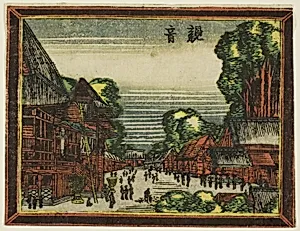
Kannon Temple (Kannon), from the series Dutch-style Pictures: Eight Views of Edo (Oranda gakyo Edo hakkei)
Katsushika Hokusai, 1804/16
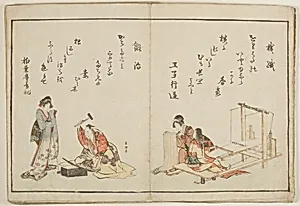
Kyoka Ehon Shokunin Kagami
Katsushika Hokusai, 1803
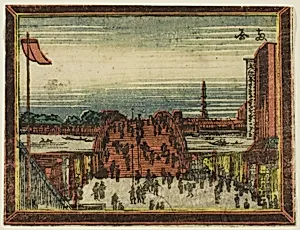
Ryogoku Bridge, from the series Dutch-style Pictures: Eight Views of Edo (Oranda gakyo Edo hakkei)
Katsushika Hokusai, 1804/16
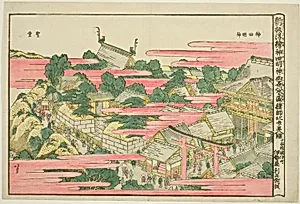
Ochanomizu in Kanda Mojin Shrine
Katsushika Hokusai, c. 1811
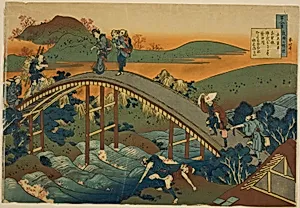
Poem by Ariwara no Narihira, from the series "One Hundred Poems Explained by the Nurse (Hyakunin isshu uba ga etoki)"
Katsushika Hokusai, c. 1835/36
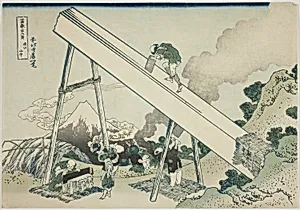
In the Mountains of Totomi (Totomi sanchu), from the series "Thirty-six Views of Mount Fuji (Fugaku sanjurokkei)"
Katsushika Hokusai, c. 1830/33
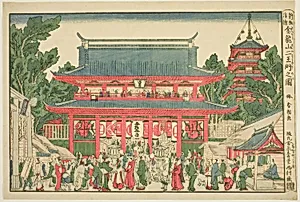
A Perspective View: The Two Deva Kings Gate of Kinryuzan Temple (Ukie: Kinryuzan niomon no zu)
Katsushika Hokusai, 1781/89
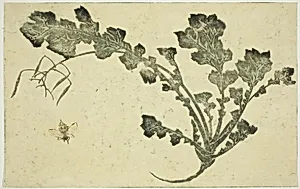
Wasp and turnip stalk, from "The Picture Book of Realistic Paintings of Hokusai (Hokusai shashin gafu)"
Katsushika Hokusai, c. 1814
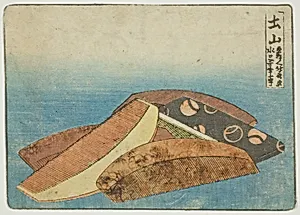
Comb Products in Tsuchiyama
Katsushika Hokusai, c. 1804
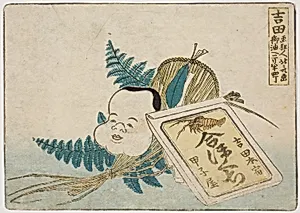
Illustration of products in Yoshida
Katsushika Hokusai, 1804
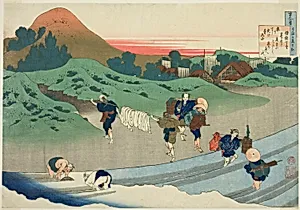
Empress Jito (Jito Tenno) from the series "One Hundred Poems as Explained by the Wet Nurse (Hyakunin isshu uba ga etoki)"
Katsushika Hokusai, c. 1835
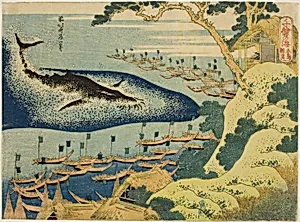
Whaling off the Coast of the Goto Islands (Goto kujira tsuki), from the series "One Thousand Pictures of the Ocean (Chie no umi)"
Katsushika Hokusai, c. 1831–33
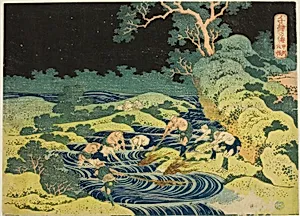
Fishing by Torch in Kai Province (Koshu hiburi) from the series "One Thousand Pictures of the Ocean (Chie no umi)"
Katsushika Hokusai, c. 1833/34
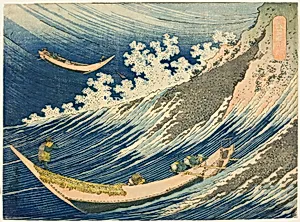
Fishing Boats at Choshi in Shimosa (Soshu Choshi) from the series "One Thousand Pictures of the Ocean (Chie no umi)"
Katsushika Hokusai, c. 1833/34
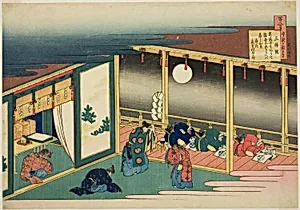
Poem by Sanjo-in, from the series "One Hundred Poems Explained by the Nurse (Hyakunin isshu uba ga etoki)"
Katsushika Hokusai, c. 1835/36
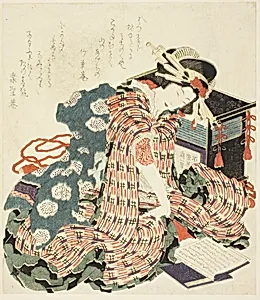
Young woman reading "The Pillow Book (makura no soshi)"
Katsushika Hokusai, 1822
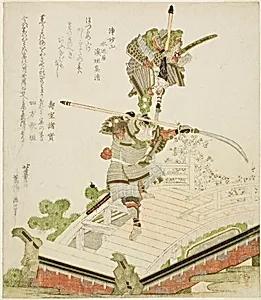
Festival float of Tsutsui Jomyo fighting Ichirai Hoshi on the Uji Bridge
Katsushika Hokusai, 1820
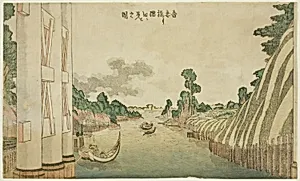
Sumida River seen from Azuma Bridge (Azumabashi yori Sumida wo miru no zu), from a group of Western-style landscapes
Katsushika Hokusai, c. 1800/05
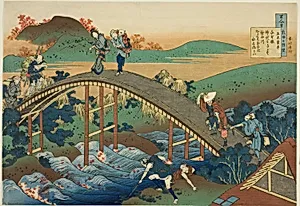
Ariwara no Narihirafrom the series One Hundred Poems Explained by the Nurse (Hyakunin isshu uba ga etoki)
Katsushika Hokusai, 1835–36
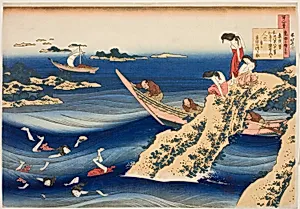
Sangi Takamura, from the series "One Hundred Poems as Explained by the Wet Nurse (Hyakunin isshu uba ga etoki)"
Katsushika Hokusai, 1835/36
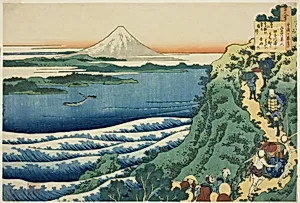
Poem by Yamabe no Akahito, from the series "One Hundred Poems Explained by the Nurse (Hyakunin isshu uba ga etoki)"
Katsushika Hokusai, c. 1835/36
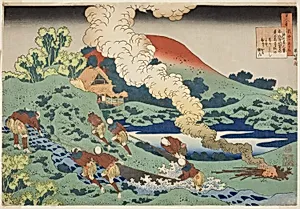
Kakinomoto Hitomaro from the series One Hundred Poems Explained by the Nurse (Hyakunin isshu uba ga etoki)
Katsushika Hokusai, 1835–36
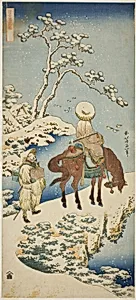
Horseman in Snow, from the series "A True Mirror of Japanese and Chinese Poems (Shiika shashin kyo)"
Katsushika Hokusai, c. 1833/34
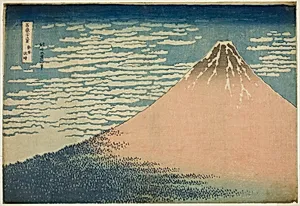
A Mild Breeze on a Fine Day (Gaifu kaisei), from the series "Thirty-six Views of Mount Fuji (Fugaku sanjurokkei)"
Katsushika Hokusai, c. 1830/33
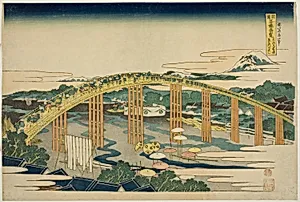
Yahagi Bridge at Okazaki on the Tokaido (Tokaido Okazaki Yahagi no hashi), from the series “Unusual Views of Famous Bridges in Various Provinces (Shokoku meikyo kiran)”
Katsushika Hokusai, c. 1833/34
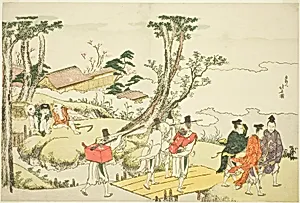
Frontispiece to the illustrated album "Thirty-six Immortal Women Poets" ("Nishikizuri onna sanjurokkasen")
Katsushika Hokusai, 1801
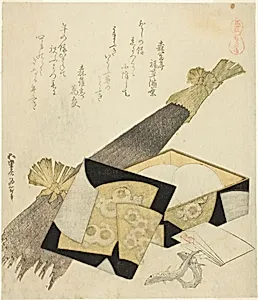
Burdock Root (Kurama gobo), from the series "A Selection of Horses (Uma-zukushi)"
Katsushika Hokusai, 1822
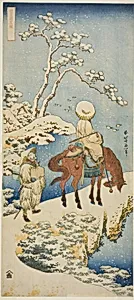
Horseman in Snow, from the series "A True Mirror of Japanese and Chinese Poems (Shiika shashin kyo)"
Katsushika Hokusai, c. 1833/34
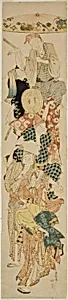
Bon Festival Dance
Katsushika Hokusai, c. 1804/06
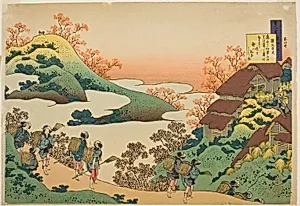
Poem by Sarumaru Dayu, from the series "One Hundred Poems Explained by the Nurse (Hyakunin isshu uba ga etoki)"
Katsushika Hokusai, 1835–36
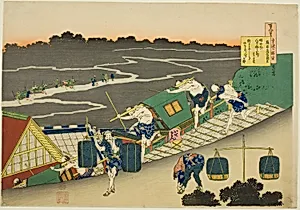
Poem by Fujiwara no Michinobu Ason, from the series "One Hundred Poems Explained by the Nurse (Hyakunin isshu uba ga etoki)"
Katsushika Hokusai, c. 1835/36