
Arts of Asia — Page 194
9,604 artworks · Art Institute of Chicago
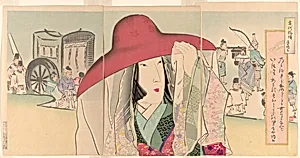
Sei Shonagon, from the series Ancient Patterns (Kodai moyo)
Kobayashi Kiyochika, Meiji period (1896–1912), 1896
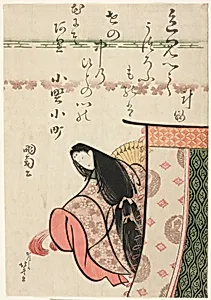
The Poetess Ono no Komachi, from the series "Six Immortal Poets (Rokkasen)"
Katsushika Hokusai, Edo period (1615–1868), about 1810
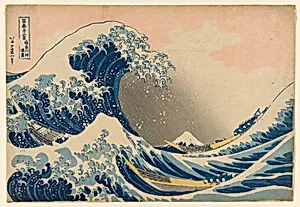
Under the Wave off Kanagawa (Kanagawa oki nami ura), also known as The Great Wave, from the series "Thirty-Six Views of Mount Fuji (Fugaku sanjurokkei)"
Katsushika Hokusai, 1830/33
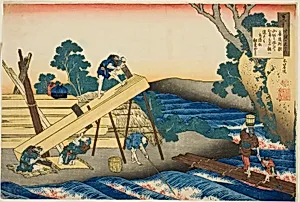
Harumichi no Tsuraki, thirty-second poet in the series One Hundred Poems by One Hundred Poets Explained by the Nurse
Katsushika Hokusai, c. 1835/36
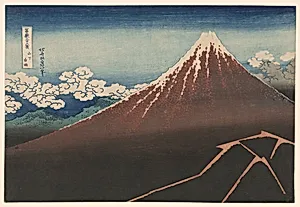
Shower Below the Summit (Sanka hakuu), from the series "Thirty-Six Views of Mount Fuji (Fugaku sanjurokkei)"
Katsushika Hokusai, c. 1830/33
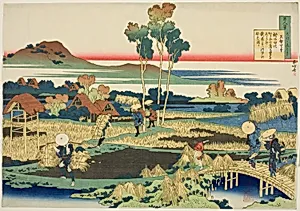
Tenji Tenno (The Emperor Tenji), first poet in the series One Hundred Poems by One Hundred Poets Explained by the Nurse
Katsushika Hokusai, c. 1835/36
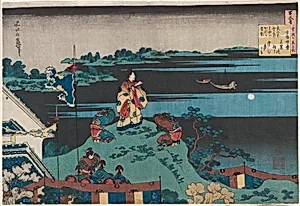
Abe no Nakamaro, seventh poet in the series One Hundred Poems by One Hundred Poets Explained by the Nurse
Katsushika Hokusai, c. 1835/36
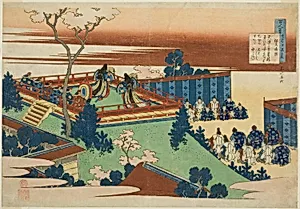
Sojo Henjo, twelfth poet in the series One Hundred Poems by One Hundred Poets Explained by the Nurse
Katsushika Hokusai, c. 1835/36
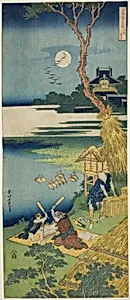
Ariwara no Narihira, from the series A True Mirror of Chinese and Japanese Poems
Katsushika Hokusai, c. 1830
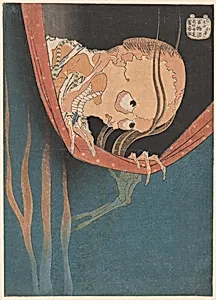
Kohada Koheiji, from the series "One Hundred Ghost Tales (Hyaku monogatari)"
Katsushika Hokusai, 1831-32
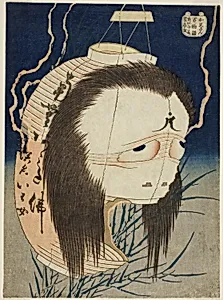
Oiwa (Oiwa-san), from the series "One Hundred Ghost Tales (Hyaku monogatari)"
Katsushika Hokusai, 1831-32
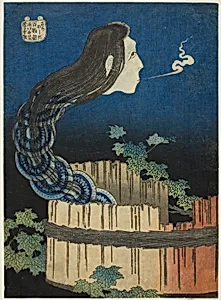
The Mansion of the Plates (Sara yashiki), from the series "One Hundred Ghost Tales (Hyaku monogatari)"
Katsushika Hokusai, 1831-32
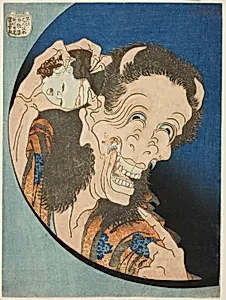
The Laughing Demoness (Warai Hannya), from the series "One Hundred Ghost Tales (Hyaku monogatari)"
Katsushika Hokusai, 1831-32
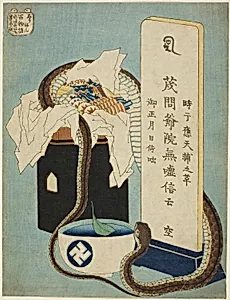
Memorial Anniversary (Shunen), from the series "One Hundred Ghost Tales (Hyaku monogatari)"
Katsushika Hokusai, 1831-32
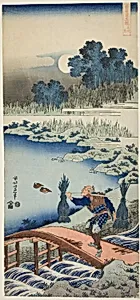
A Peasant Crossing a Bridge, from the series A True Mirror of Chinese and Japanese Poems
Katsushika Hokusai, late 1830s
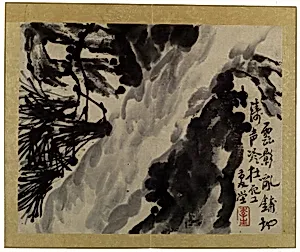
Birds, Flowers and Insects
Li Shan, Qing dynasty (1644–1911), 18th century
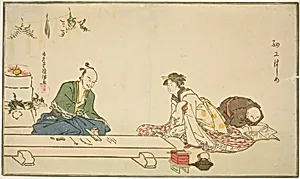
Maker of Sword Fittings at his Workbench
Kubo Shunman, c. 1790s
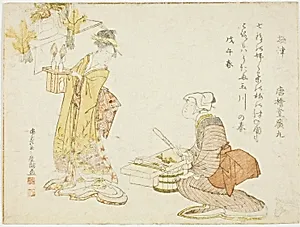
Preparing Seven Herbs on the Seventh Day of the New Year
Kubo Shunman, 1798
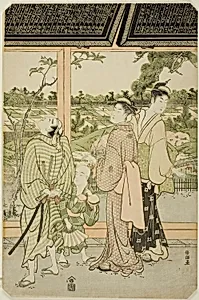
Viewing Votive Plaques at Mukojima
Kubo Shunman, c. 1785/89
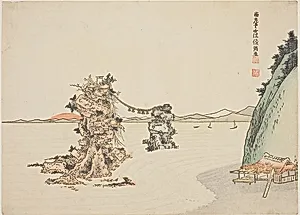
The Wedded Rocks (Meoto Iwa) by Futamigaura
Kubo Shunman, early 19th century
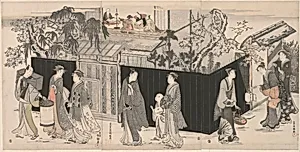
Returning from a Poetry Gathering
Kubo Shunman, c. 1785/89
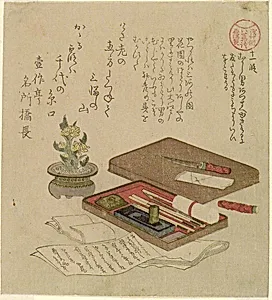
Episode 11 (Juichi dan), from the series "Tales of Ise for the Asakusa Group (Asakusagawa Ise Monogatari)"
Kubo Shunman, 1810s
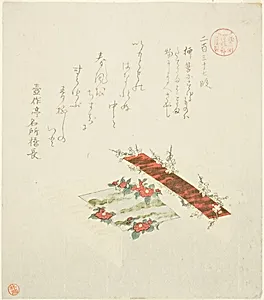
Passage 237 (Nihyaku sanjunana dan), from the series "Essays in Idleness for the Asakusa Group (Asakusagawa Tsurezuregusa)"
Kubo Shunman, early 19th century
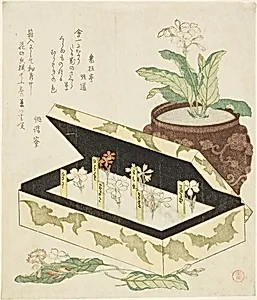
Primroses
Kubo Shunman, c. 1810s
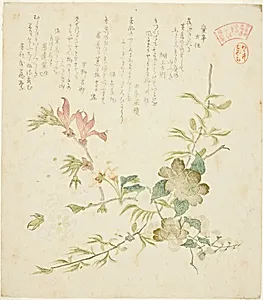
Various Spring Flowers, from the series "Springtime Plants and Trees for the Kasumi Poetry Circle of the Yomo Group (Yomogawa Kasumi-ren haru no kusaki no uchi)"
Kubo Shunman, c. 1820
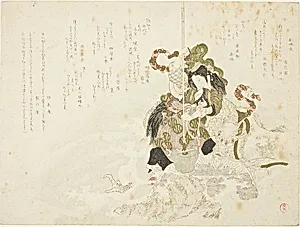
Otchime, the Daughter of the God of the Sea, with a Dragon on a Rock
Kubo Shunman, about 1800
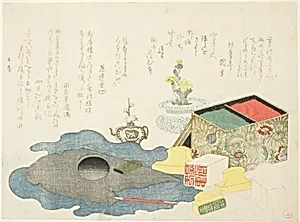
Writing Implements and Seals
Kubo Shunman, 1799 or 1811
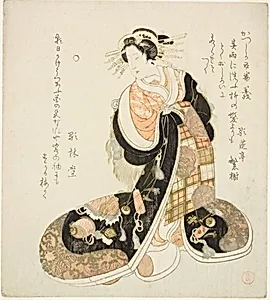
Righteousness (Gi), from the series "Five Designs for the Katsushika Poetry Circle (Katsushika goban)"
Kubo Shunman, early 1810s
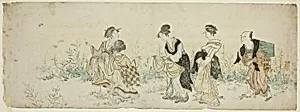
Gathering Spring Flowers
Kubo Shunman, late 18th/early 19th century
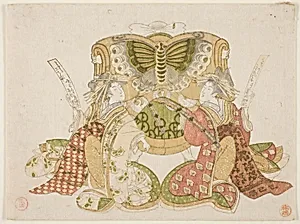
Soga no Goro, Oiso no Tora, and Kewaizaka no Shosho
Kubo Shunman, 1809
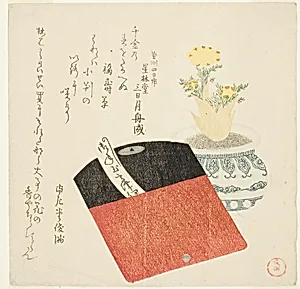
Coin Pouch and Potted Adonis
Kubo Shunman, c. 1802
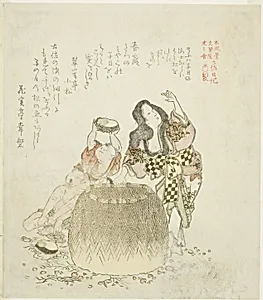
Woman and two boys gathering abalone, from the series "The Tosa Diary (Tosa nikki)"
Kubo Shunman, 1810s
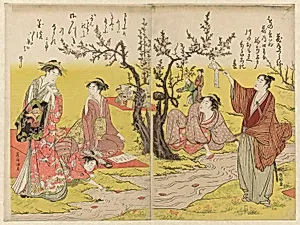
Party by a winding stream
Kubo Shunman, n.d.

Young Woman Walking on a River Bank in Rain
Kubo Shunman, late 18th/early 19th century
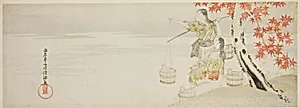
Matsukaze and Murasame
Kubo Shunman, c. 1810
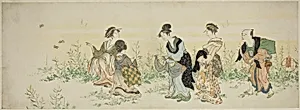
Gathering spring flowers
Kubo Shunman, n.d.
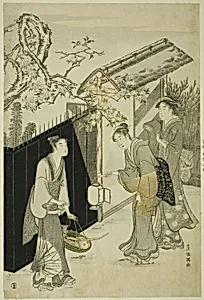
Returning from a Poetry Gathering
Kubo Shunman, c. 1785/89
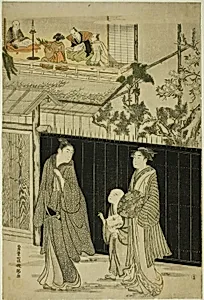
Returning from a Poetry Gathering
Kubo Shunman, c. 1785/89
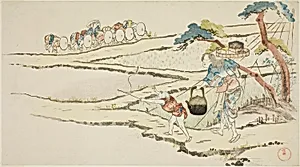
Taking Food to Rice Planters
Kubo Shunman, late 18th/early 19th century
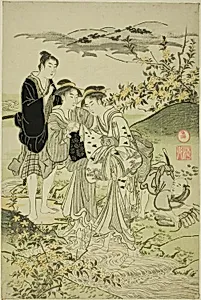
The Ide Jewel River
Kubo Shunman, c. 1781/89
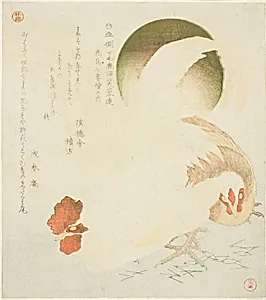
Cock, Hen, and Rising Sun, from the series "Seven Bird-and-flower Prints for the Fuyo Circle of Kanuma in Shimotsuke Province (Yamagawa Shimotsuke Kanuma Fuyo-ren kacho nanaban tsuzuki no uchi)"
Kubo Shunman, c. 1810
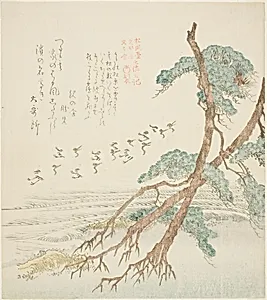
Pine Trees, from the series "Tosa Diary for the Shofudai, Hisakataya, and Bunbunsha (Shofudai Hisakataya Bunbunsha Tosa nikki)"
Kubo Shunman, early 19th century
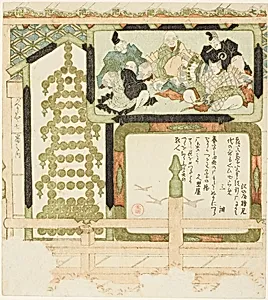
No. 7: Votive paintings of Six Immortal poets, flying geese, and a pagoda made of coins, from the series "Seven Pictures for the Hisakataya (Hisakataya shichiban no uchi)"
Kubo Shunman, c. 1810's
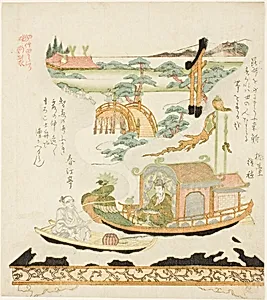
Takeda Mechanical Device (Takeda karakuri): Haku Rakuten (Chinese: Bai Juyi) and the fisherman
Kubo Shunman, c. early 19th century
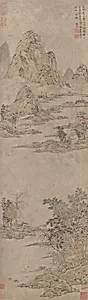
Pulling Oars under Clearing Autumn Skies 晴秋涉櫂圖
Lu Zhi, Ming dynasty (1368–1644); c. 1545
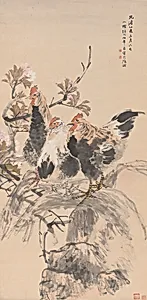
Roosters and Blossoming Apricots 雄鷄圖
Ren Yi, Qing dynasty (1644–1911)
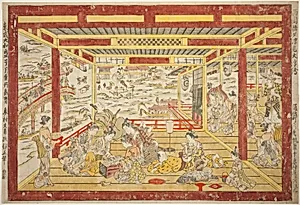
Enjoying the Evening Cool near Ryogoku Bridge (Ryogoku bashi yusuzumi uki-e)
Okumura Masanobu, c. 1740
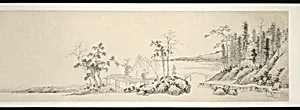
Return to Stone Lake 石湖歸棹圖
Shen Zhou, Ming dynasty (1368–1644), dated 1466