
Metamorphoseon sive transformationum
1606
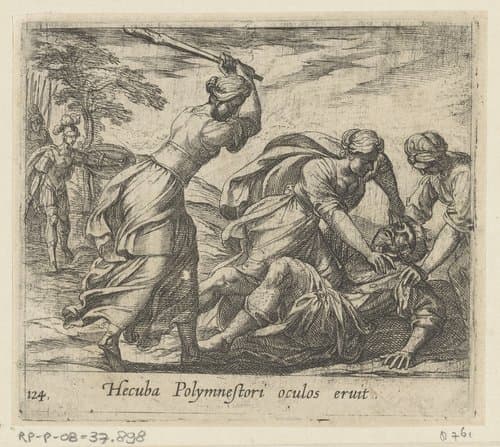
Medium
etching
Dimensions
104; 117
Rights
Public Domain
About this artwork
height 104 mm x width 117 mm
Art Historical Context
Antonio Tempesta's *Metamorphoseon s transformationum* (1606) is a exquisite etching capturing the spirit of classical mythology. Measuring just 104 mm high by 117 mm wide, this intimate print is part of the Italian artist's renowned series illustrating Ovid's *Metamorph*, a foundational Roman epic recounting tales of divine transformations—from humans into animals and plants to cosmic upheavals. Tempesta, a masterful Mannerist engraver active in Rome during the late Renaissance, drew inspiration from ancient texts to bridge pagan lore with early Baroque sensibilities, making mythology accessible through reproducible art. Etching, Tempesta's preferred medium here, allowed for fine, fluid lines and intricate details that brought Ovid's vivid narratives to life. Unlike painting, this technique—using acid to bite into a metal plate—enabled widespread dissemination via books and collections, democratizing high art for scholars and enthusiasts alike. Tempesta's style, influenced by masters like the Carracci brothers, blends dynamic composition with dramatic figures, evoking the era's fascination with metamorphosis as a metaphor for change in a turbulent world. This small yet powerful work exemplifies how 17th-century printmaking preserved and popularized classical stories, inviting viewers to ponder the fluidity of form and fate. A gem for any mythology lover!
About the Artist
Antonio Tempesta · 1555–1630
Antonio Tempesta (1555–1630), known as 'Il Tempestino,' was a Florentine painter and printmaker whose extraordinary output of approximately 1,700 etchings made him one of the most influential printmakers of the early Baroque period. Born in Florence and trained under Santi di Tito and the Flemish master Joannes Stradanus, he enrolled in the Accademia del Disegno in 1576 before relocating to Rome i...