
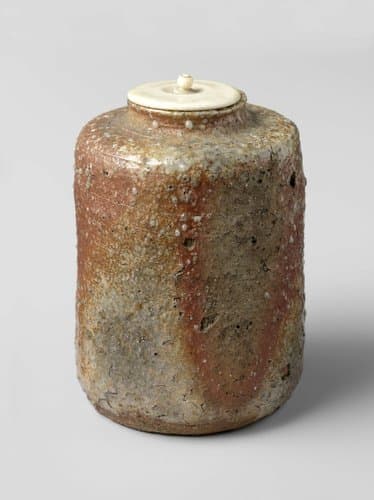
Tea caddy
c. 1600 - c. 1799
Medium
turning
Dimensions
8.6; 3.4; 6.9; 6; 9.2; 3.5; 0.9
Rights
Public Domain
About this artwork
steengoed met een crèmekleurig glazuur en ivoren deksel
Art Historical Context
This delicate tea caddy, dating from around 1600 to 1799, the everyday luxury of early modern Europe. Crafted anonymously from stoneware—a durable, non-porous ceramic fired at high temperatures—the vessel stands just 9.2 cm tall, perfect for storing precious tea leaves. Its cream-colored glaze lends a soft elegant sheen, while the lid adds a touch of opulence, hinting at the owner's status. The use of "turning," ahe-based technique, allowed for precise, symmetrical shaping, showcasing craftsmanship in ceramics. Tea arrived in Europe via Dutch and Portuguese traders in the 17th century, sparking a craze among the elite. These caddies, often locked to safeguard expensive imports from China, became symbols of refinement and hospitality. This example likely served Dutch households, where stoneware imitated coveted Oriental porcelain but offered practicality for daily use. Though anonymous, the caddy reflects broader artistic trends in functional pottery, blending utility with subtle beauty. Its survival whispers of intimate rituals—afternoon teas that bridged social divides—making it a charming window into a flavorful era.