
Baroque Period
The Baroque period brought drama, movement, and emotional intensity to European art. Characterized by bold contrasts of light and shadow, dynamic compositions, and theatrical grandeur, Baroque art served both Catholic Counter-Reformation propaganda and absolutist royal courts.
Historical Context
The Baroque emerged during religious conflicts between Catholic and Protestant powers, the rise of absolute monarchies, and scientific discoveries. The Catholic Church commissioned dramatic artworks to inspire devotion, while royal courts celebrated their power through magnificent artistic programs.
Key Characteristics
- Dramatic use of chiaroscuro and tenebrism
- Dynamic diagonal compositions and movement
- Emotional intensity and theatrical effects
- Rich colors and ornamental detail
- Integration of sculpture, painting, and architecture
Notable Artists
Related Art Movements
Explore Baroque Artworks
10,000 artworks from 1600-1750 available in our collection
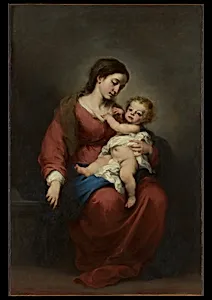
Virgin and Child
Bartolomé Estebán Murillo
1670s
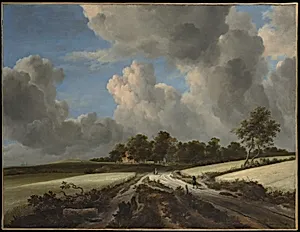
Wheat Fields
Jacob van Ruisdael
ca. 1670
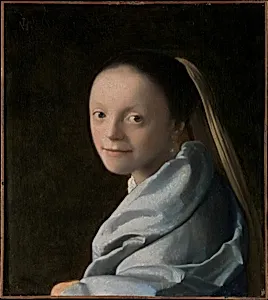
Study of a Young Woman
Johannes Vermeer
ca. 1665–67
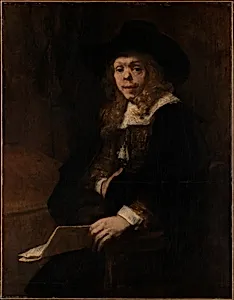
Portrait of Gerard de Lairesse
Rembrandt (Rembrandt van Rijn)
1665–67
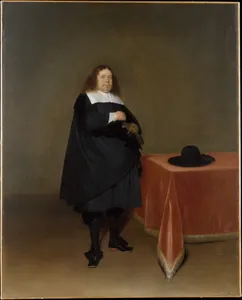
Burgomaster Jan van Duren (1613–1687)
Gerard ter Borch the Younger
ca. 1666–67
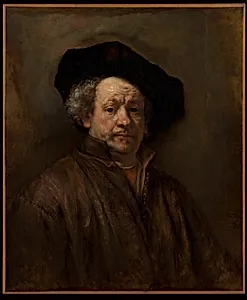
Self-Portrait
Rembrandt (Rembrandt van Rijn)
1660
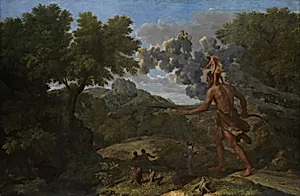
Blind Orion Searching for the Rising Sun
Nicolas Poussin
1658
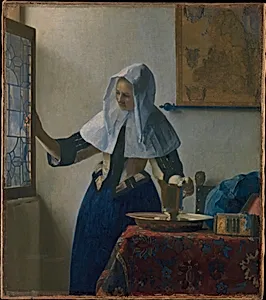
Young Woman with a Water Pitcher
Johannes Vermeer
ca. 1662
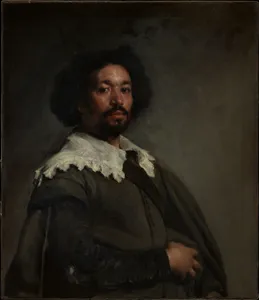
Juan de Pareja (ca. 1608–1670)
Velázquez (Diego Rodríguez de Silva y Velázquez)
1650
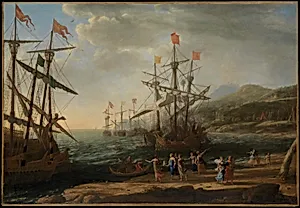
The Trojan Women Setting Fire to Their Fleet
Claude Lorrain (Claude Gellée)
ca. 1643
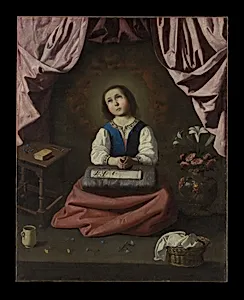
The Young Virgin
Francisco de Zurbarán
ca. 1632–33
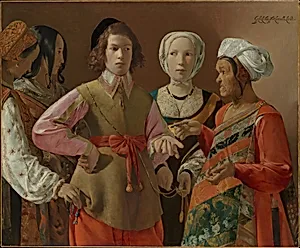
The Fortune-Teller
Georges de La Tour
probably 1630s
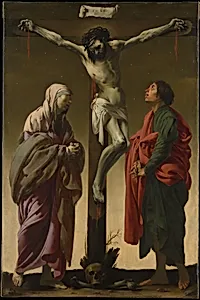
The Crucifixion with the Virgin and Saint John
Hendrick ter Brugghen
ca. 1624–25
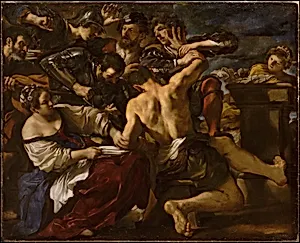
Samson Captured by the Philistines
Guercino (Giovanni Francesco Barbieri)
1619
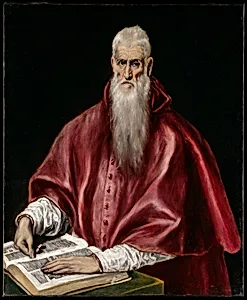
Saint Jerome as Scholar
El Greco (Domenikos Theotokopoulos)
ca. 1610
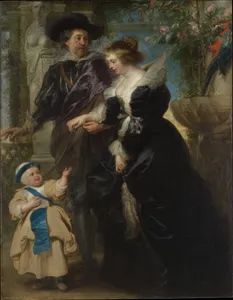
Rubens, Helena Fourment (1614–1673), and Their Son Frans (1633–1678)
Peter Paul Rubens
ca. 1635
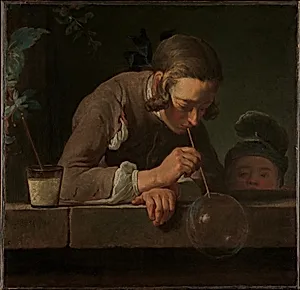
Soap Bubbles
Jean Siméon Chardin
ca. 1733–34
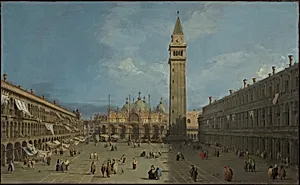
Piazza San Marco
Canaletto (Giovanni Antonio Canal)
late 1720s
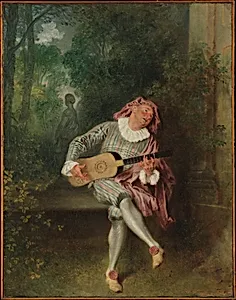
Mezzetin
Antoine Watteau
ca. 1718–20
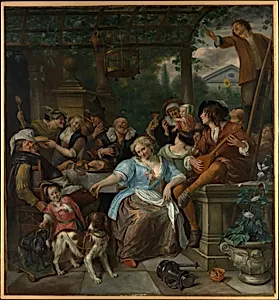
Merry Company on a Terrace
Jan Steen
ca. 1670
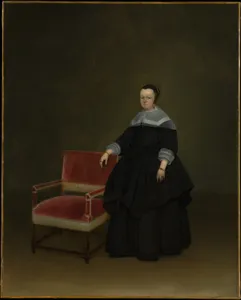
Margaretha van Haexbergen (1614–1676)
Gerard ter Borch the Younger
ca. 1666–67
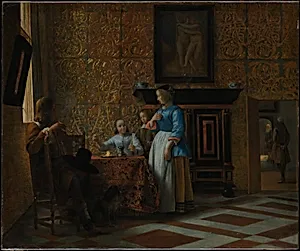
Leisure Time in an Elegant Setting
Pieter de Hooch
ca. 1663–65
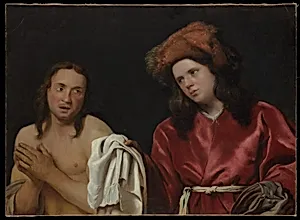
Clothing the Naked
Michiel Sweerts
ca. 1661
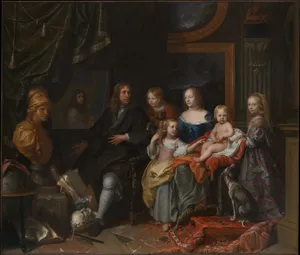
Everhard Jabach (1618–1695) and His Family
Charles Le Brun
ca. 1660
Explore Other Periods
Ancient Egypt
3000 BCE - 30 BCE
Ancient Egyptian art spans over three millennia, representing one of humanity's longest continuous artistic traditions. From the pyramids of Giza to the treasures of Tutankhamun's tomb, Egyptian artists created works of extraordinary beauty and symbolic power that served religious, funerary, and political purposes.
Greek & Roman
800 BCE - 476 CE
Classical antiquity produced the artistic ideals that shaped Western civilization. Greek artists pioneered naturalistic human representation, while Romans excelled in portraiture, engineering, and monumental architecture. Together, they established standards of beauty, proportion, and artistic excellence that artists would return to for millennia.
Medieval
500-1400
Medieval art encompasses nearly a thousand years of artistic production, from the fall of Rome to the dawn of the Renaissance. This period saw the development of Byzantine mosaics, Romanesque monasteries, Gothic cathedrals, and illuminated manuscripts—all serving primarily religious purposes with a focus on spiritual rather than naturalistic representation.