
Arts of Asia — Page 23
9,604 artworks · Art Institute of Chicago
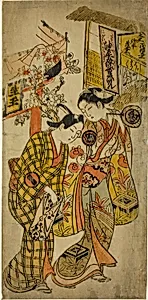
The Actors Sanjo Kantaro II as Osome and Ichikawa Monnosuke as Hisamatsu in the play "Osome Hisamatsu Tamoto no Shiro Shibori," performed at the Morita theater, 1720
Okumura Masanobu, c. 1720
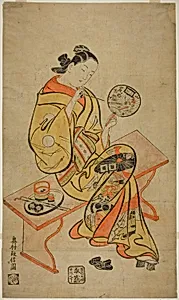
Solving a Puzzle
Okumura Masanobu, Early to mid-18th century
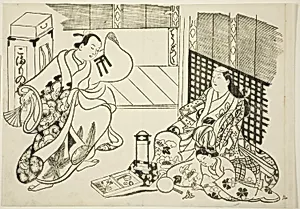
All Kinds of Household Items (Chodo zukushi), from the series "Famous Scenes from Japanese Puppet Plays (Yamato irotake)"
Okumura Masanobu, c. 1705/06
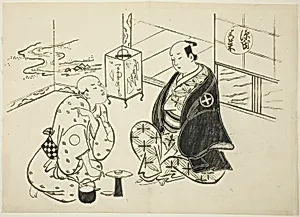
The Hahakigi Chapter from "The Tale of Genji" (Genji Hahakigi), from a series of Genji parodies
Okumura Masanobu, c. 1710
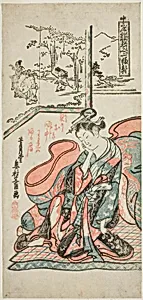
The Morning After, from "Thinking of Rising from Bed - A Set of Three (Toko banare omoi iri sanpukutsui)"
Okumura Masanobu, c. 1750
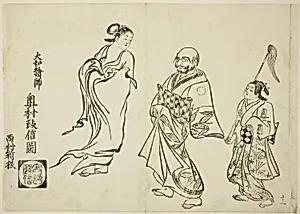
The Roles Reversed, no. 12 from a series of 12 prints
Okumura Masanobu, c. 1708
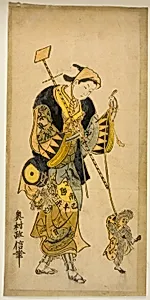
A Monkey Trainer and His Monkey
Okumura Masanobu, c. 1725
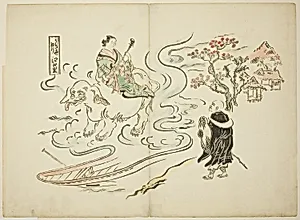
A Floating World Version of Saigyo at the Village of Eguchi (Ukiyo Saigyo Eguchi no sato)
Okumura Masanobu, c. 1715
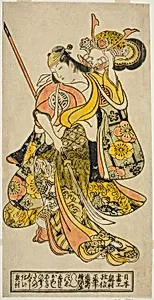
The Actor Hayakawa Shinkatsu as Toyohime in the play "Goshozome Koyo Gunki," performed at the Ichimura Theater in the eleventh month, 1727 (?)
Okumura Masanobu, c. 1727
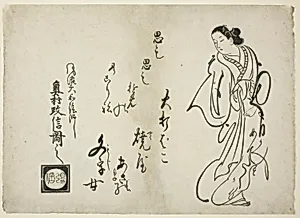
Happy Ending
Okumura Masanobu, c. 1715
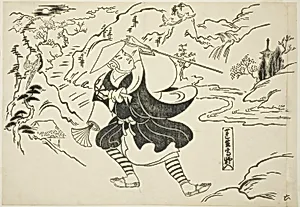
Rensho arriving at Mt. Koya (Rensho Koya-iri), from the series "Famous Scenes from Japanese Puppet Plays (Yamato irotake)"
Okumura Masanobu, c. 1705/06
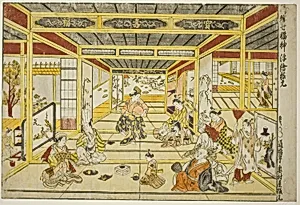
Original Perspective Picture of the Fashionable Seven Gods of Good Fortune (Furyu shichi fukujin uki-e kongen)
Okumura Masanobu, 1740s
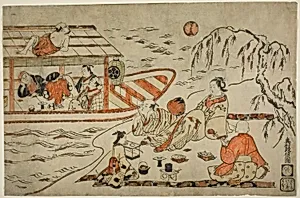
Cooling Off on a Summer Evening
Okumura Masanobu, c. 1715
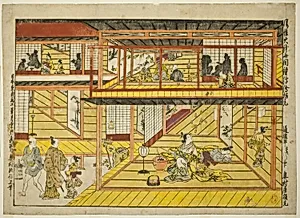
The Brazier of Elegance and the Bell of Damnation (Fuga hibachi muken no kane)
Okumura Masanobu, c. 1739/40
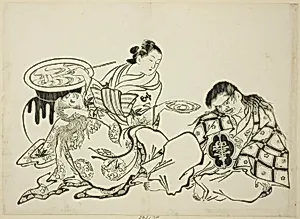
Courtesan Plying Shojo with Sake, no. 4 from a series of 12 prints
Okumura Masanobu, c. 1708
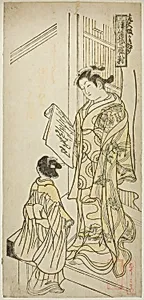
Courtesans Drawn in Osaka Style (Osaka kakiwake), from "Courtesans of the Three Capitals - A Set of Three (Sanga no tsu keisei sanpukutsui)"
Okumura Masanobu, c. 1748
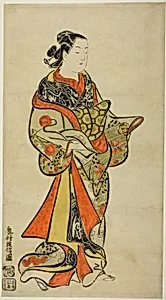
Standing Courtesan
Okumura Masanobu, 1710s
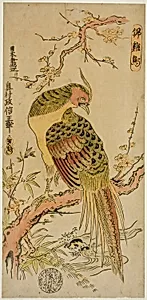
Golden Pheasant (Kinkeicho)
Okumura Masanobu, c. 1720/25
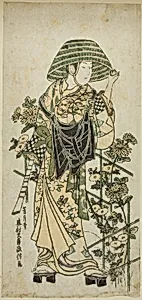
Young Man Dressed as Mendicant Monk
Okumura Masanobu, c. 1755
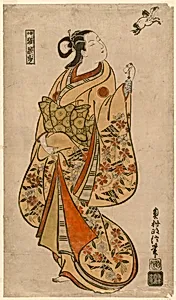
Courtesan Likened to the Chinese Sage Zhang Guolao (Japanese: Chokaro)
Okumura Masanobu, c. 1715
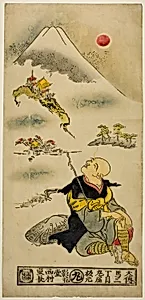
Saigyo Hoshi gazing at Mt. Fuji
Nishimura Shigenaga, c. 1730s
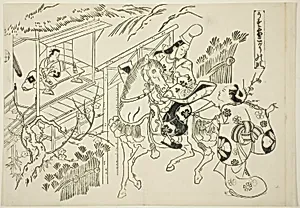
Usuyuki: The Kogo Scene (Usuyuki Kogo no dan), from the series "Famous Scenes from Japanese Puppet Plays (Yamato irotake)"
Okumura Masanobu, c. 1705/06
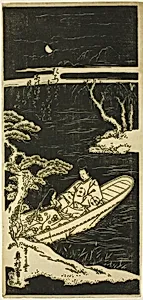
Ukifune and Ukon approach the island of Tachibana
Okumura Masanobu, c.1740
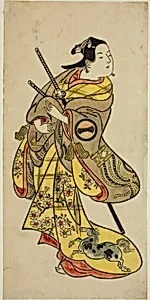
The Actor Ichikawa Monnosuke I
Okumura Toshinobu, c. 1719
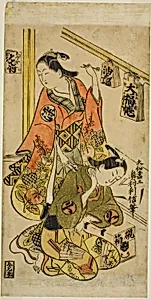
Osome and Hisamatsu
Okumura Toshinobu, c. 1720
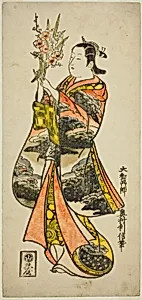
Young Woman Holding Flowers
Okumura Toshinobu, c. 1730
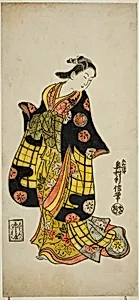
The Actor Sanjo Kantaro as a courtesan
Okumura Toshinobu, c. 1723
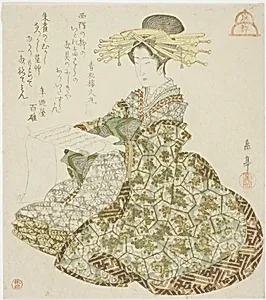
Kyoto: Courtesan of the Shimabara, from an untitled series of the three capitals
Yashima Gakutei, c. 1820s/30s
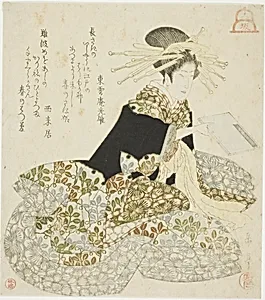
Osaka: Courtesan of the Shinmachi, from an untitled series of the three capitals
Yashima Gakutei, c. 1820s/30s
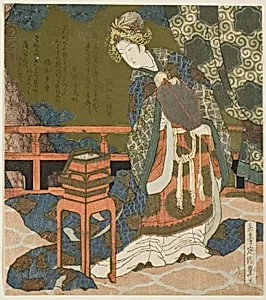
Two Chinese Women Examining Thread and a Spider’s Web in a Box, from the series "Diptych for the Drum Group"
Yashima Gakutei, c. 1824
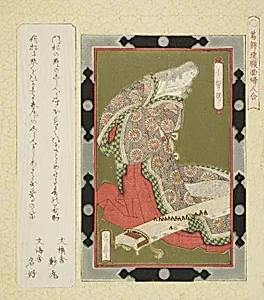
Kogo no Tsubone, from the series "Framed Pictures of Women for the Katsushika Circle (Katsushikaren gakumen fujin awase)"
Yashima Gakutei, c. 1822
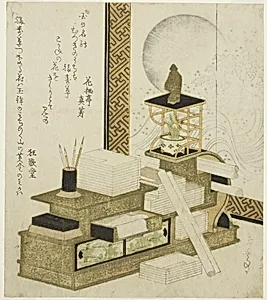
Bookcase with Writing Utensils, Books, and Potted Adonis
Yashima Gakutei, c. 1820s/30s
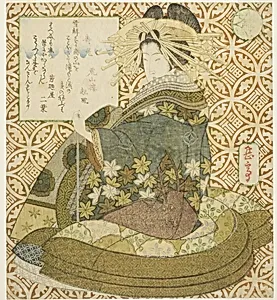
Jurojin, from the series "A Parody of the Seven Gods of Good Fortune (Mitate shichifukujin)"
Yashima Gakutei, c. 1828
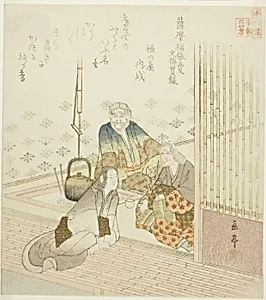
Satsuma no Fukuyorime from the Veritable Records of Emperor Montoku (Satsuma no Fukuyorime, Montoku jitsuroku), from "Twenty-four Japanese Paragons of Filial Piety for the Honcho Circle (Honchoren Honcho nijushiko)"
Yashima Gakutei, c. 1821
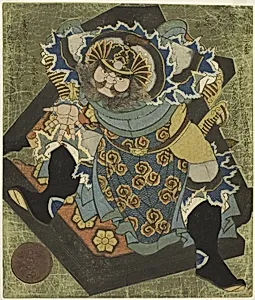
Fan Kuai (Hankai), from the series "Three Broken Gates (Haitatsu sanban)"
Yashima Gakutei, 1827
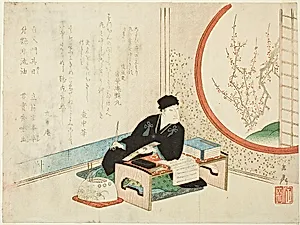
A Poet in the New Year
Yashima Gakutei, late 1820s
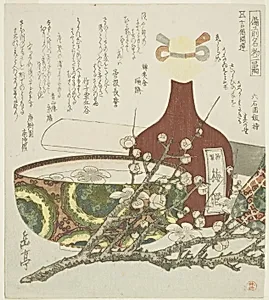
Wine bottle, bowl, and plum branch, from the series "Two Famous Products from Bizen Province (Bizen meibutsu futashina)"
Yashima Gakutei, c. 1823
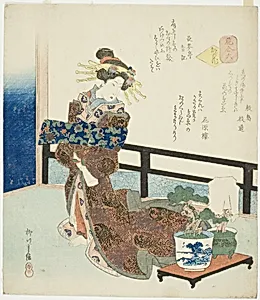
No. 6: Flower of the Capital (Miyako no hana), from the series "A Comparison of Flowers (Hana awase)"
Yanagawa Shigenobu II, late 1820s
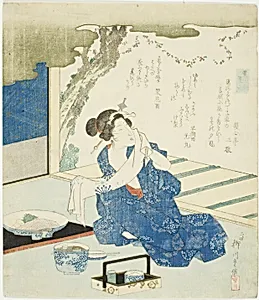
Summer Robes (Natsugoromo), from the series "A Comparison of Incense (Takimono awase)"
Yanagawa Shigenobu II, c. 1822
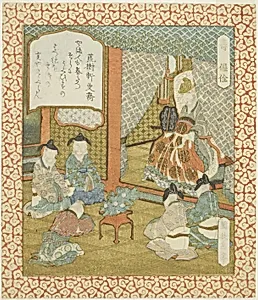
Longevity: Wo Quan (Ju, Akusen), from an untitled series of happiness, prosperity, and longevity
Yashima Gakutei, c. 1824
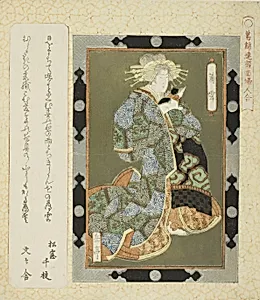
Usugumo, from the series "Framed Pictures of Women for the Katsushika Circle (Katsushikaren gakumen fujin awase)"
Yashima Gakutei, c. 1822
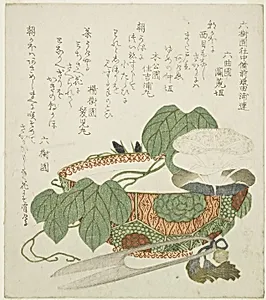
Bowl, scissors, and morning glories
Yashima Gakutei, c. 1820
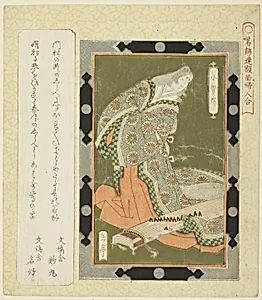
Kogo no Tsubone, from the series "Framed Pictures of Women for the Katsushika Circle (Katsushikaren gakumen fujin awase)"
Yashima Gakutei, c. 1822
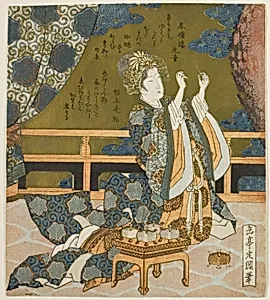
Two Chinese Women Examining Thread and a Spider’s Web in a Box, from the series "Diptych for the Drum Group"
Yashima Gakutei, c. 1824
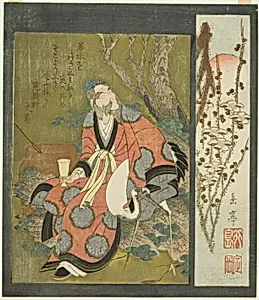
Lin Hejing (Rin Nasei) with Crane
Yashima Gakutei, 19th century
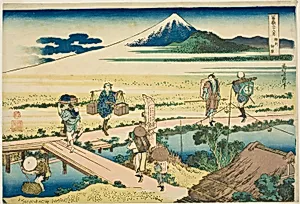
Nakahara in Sagami Province (Soshu Nakahara), from the series "Thirty-six Views of Mount Fuji (Fugaku sanjurokkei)"
Katsushika Hokusai, c. 1830/33
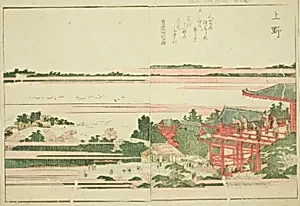
Ueno, from the illustrated book "Picture Book of Amusements of the East (Ehon Azuma asobi)"
Katsushika Hokusai, c. 1802
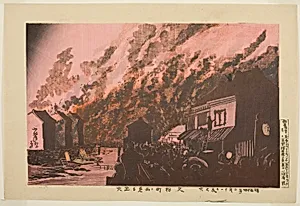
Outbreak of Fire Seen from Hisamatsucho (Hisamatsucho nite miru shukka)
Kobayashi Kiyochika, 1881